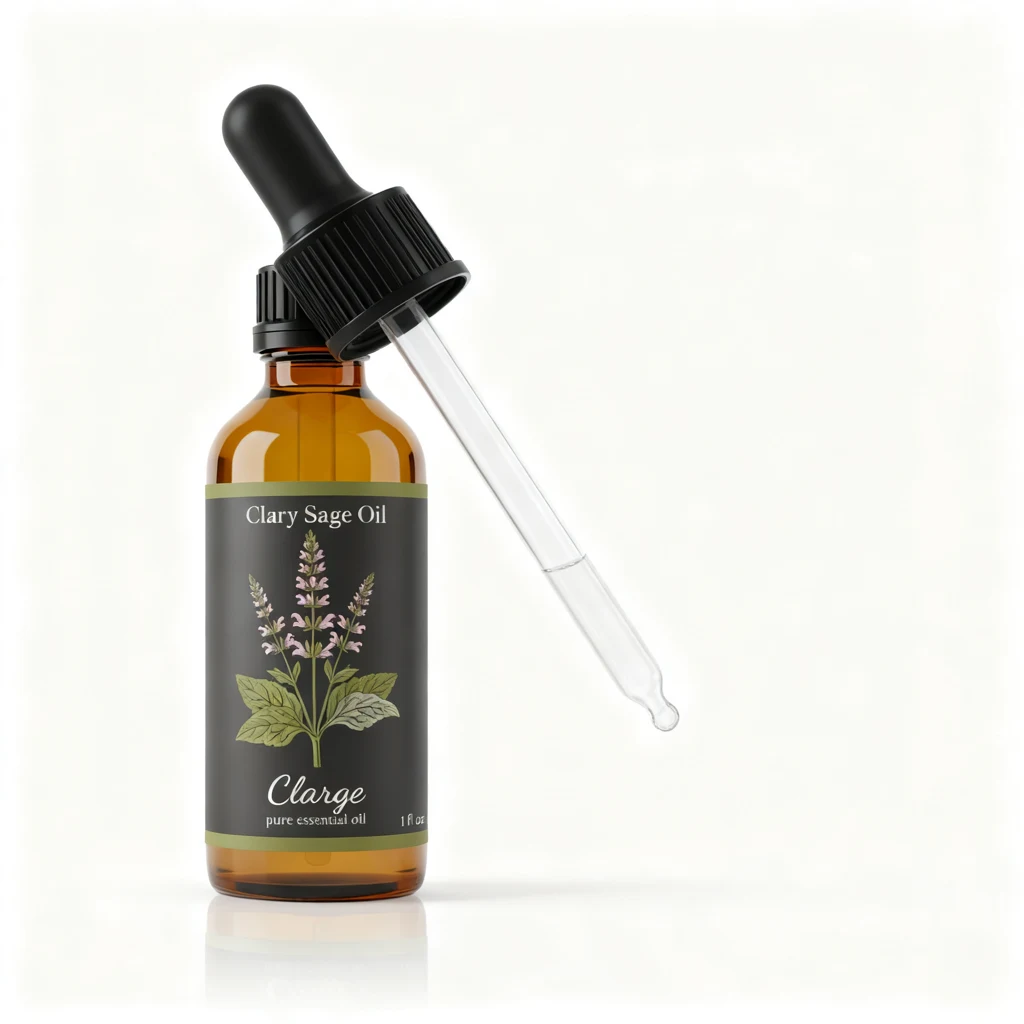
The Gentler Sage
Sweet, dry clary sage with nutty, tea-like warmth rounds out lavender and geranium blends with a soft herbal heart.
Clary sage is the softer, muskier voice of the sage family. Steam-distilled from the flowering tops of Salvia sclarea, it carries a sweet, hay-like, faintly wine-tinged aroma that perfumers have treasured since the days of muscatel. Pure, undiluted, and ready for your evening blends.
From $11.22 for 0.5 oz · sizes up to 400 lbs
Shop Clary Sage OilClary sage's dry herbal note holds up in cold-process soap and rounds out a candle blend without turning sharp or medicinal.
Explore →Pair this sweet, dry herb with lavender or bergamot for a quiet dusk diffuser session that settles a room.
Explore →Clary sage's nutty, tea-like depth anchors a perfume accord the way its sclareol once anchored muscatel wine.
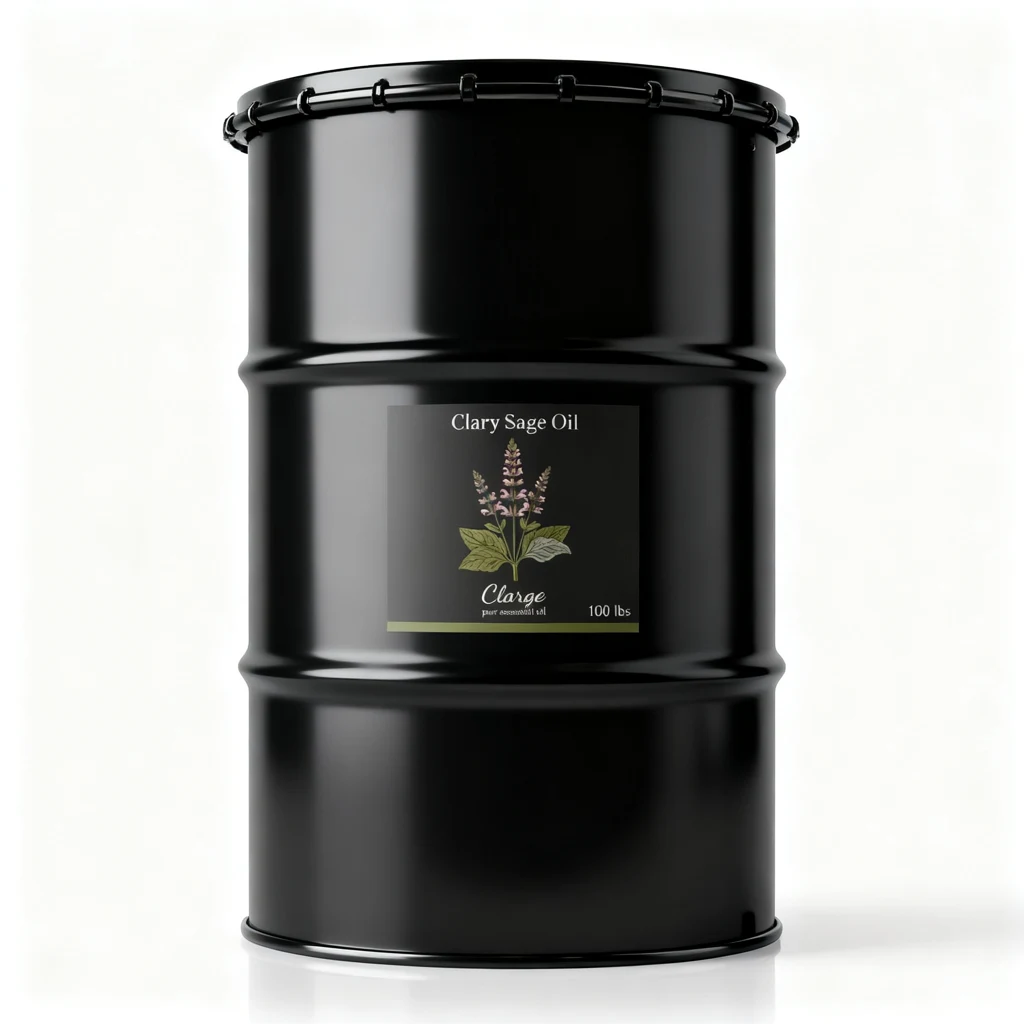
Explore →Candle studios, soap makers, and independent perfumers can step up to 5, 25, 100, or 400 pound sizes without changing suppliers mid-batch.
Explore →
First Sniff
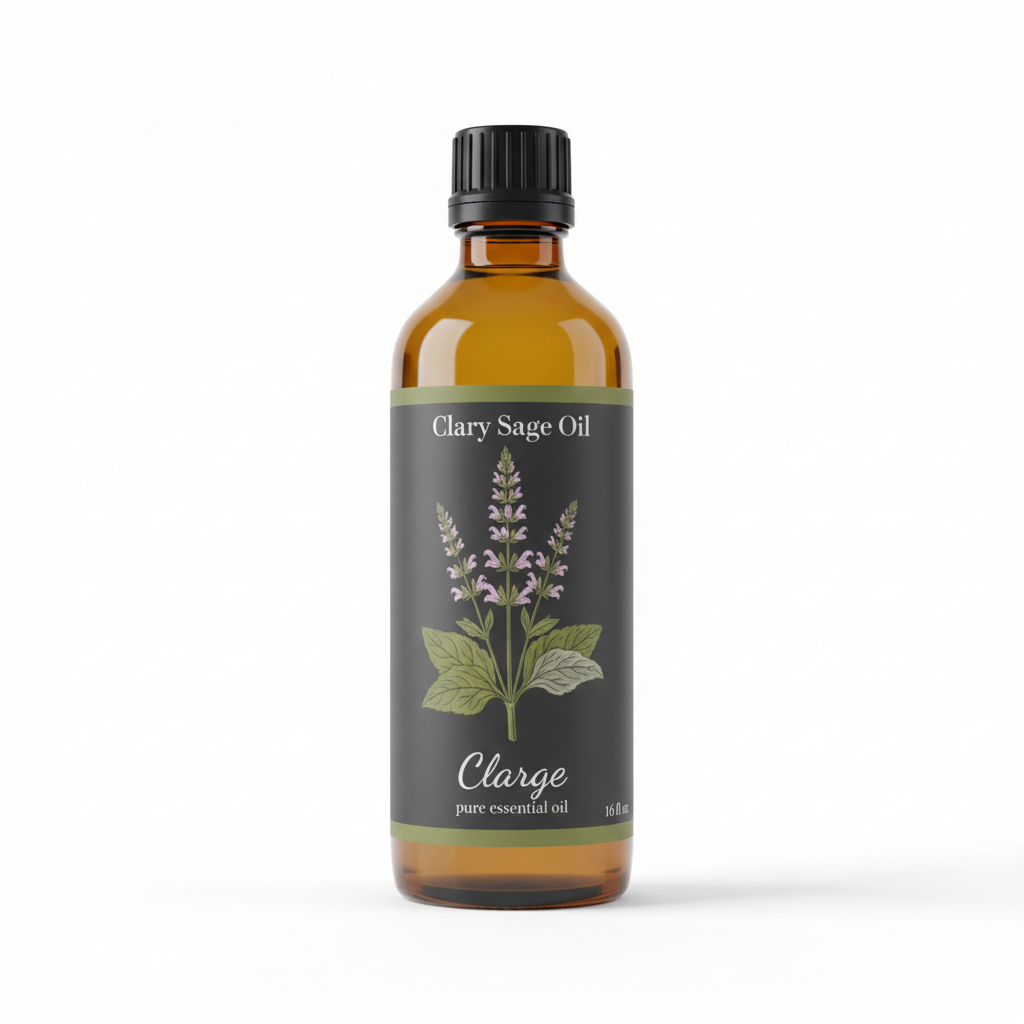
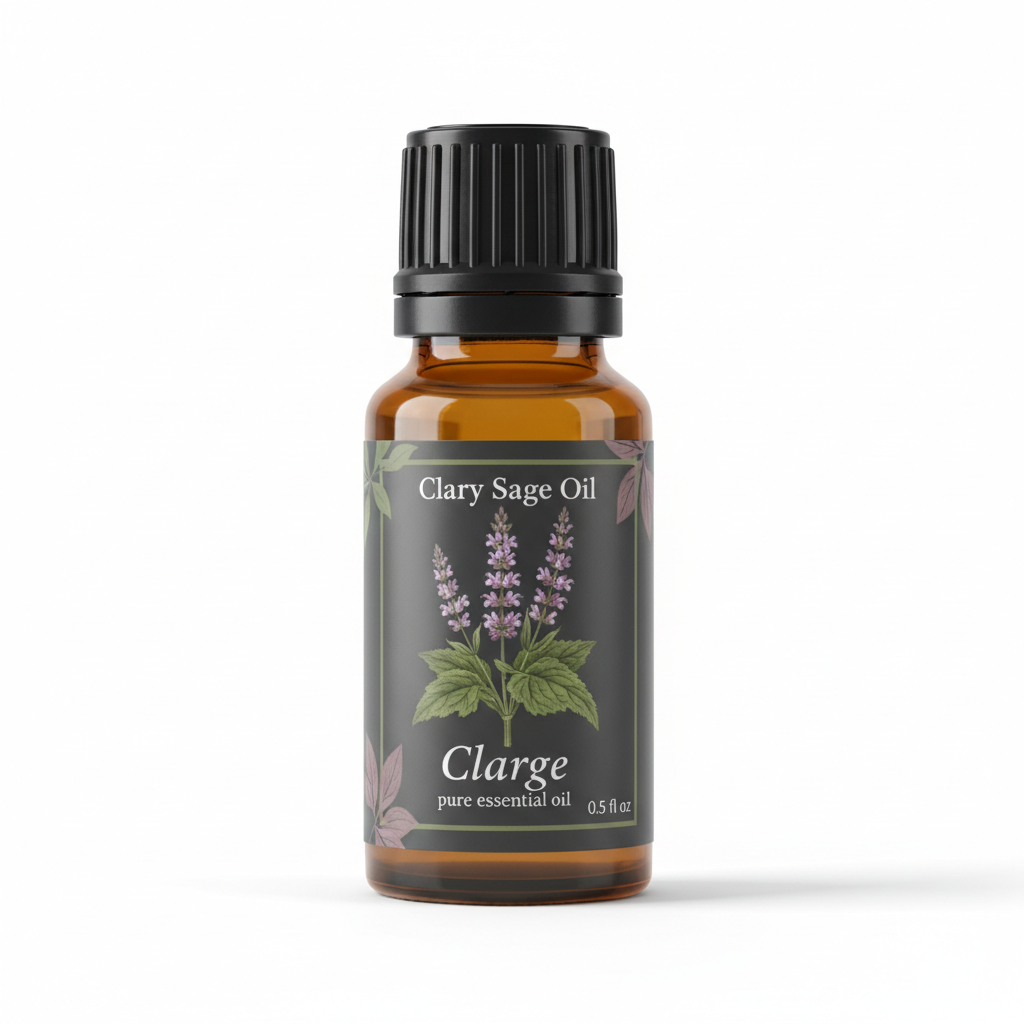
A half-ounce bottle is enough to test clary sage in a blend before committing further.
Pilot Batch
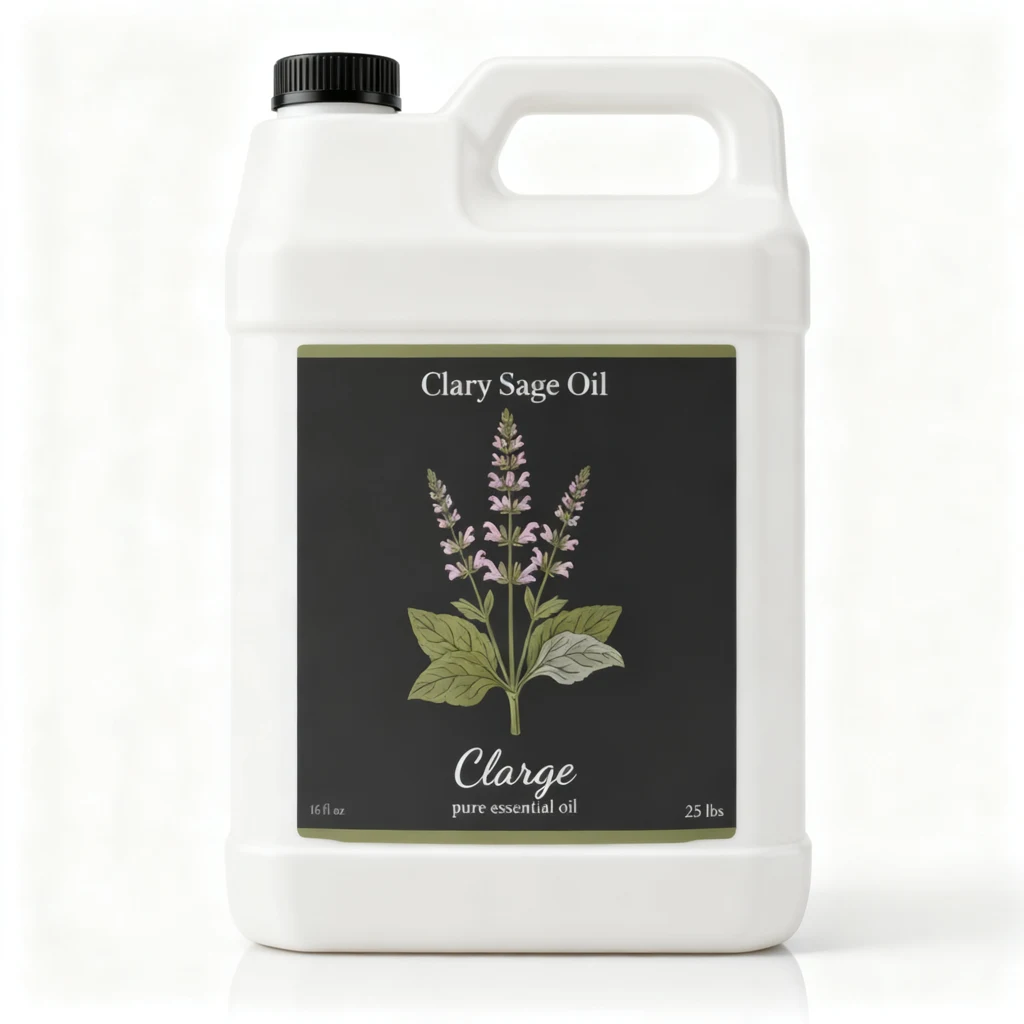
Sixteen ounces covers a real test run of soap, candles, or a small perfume trial.
First Production Size
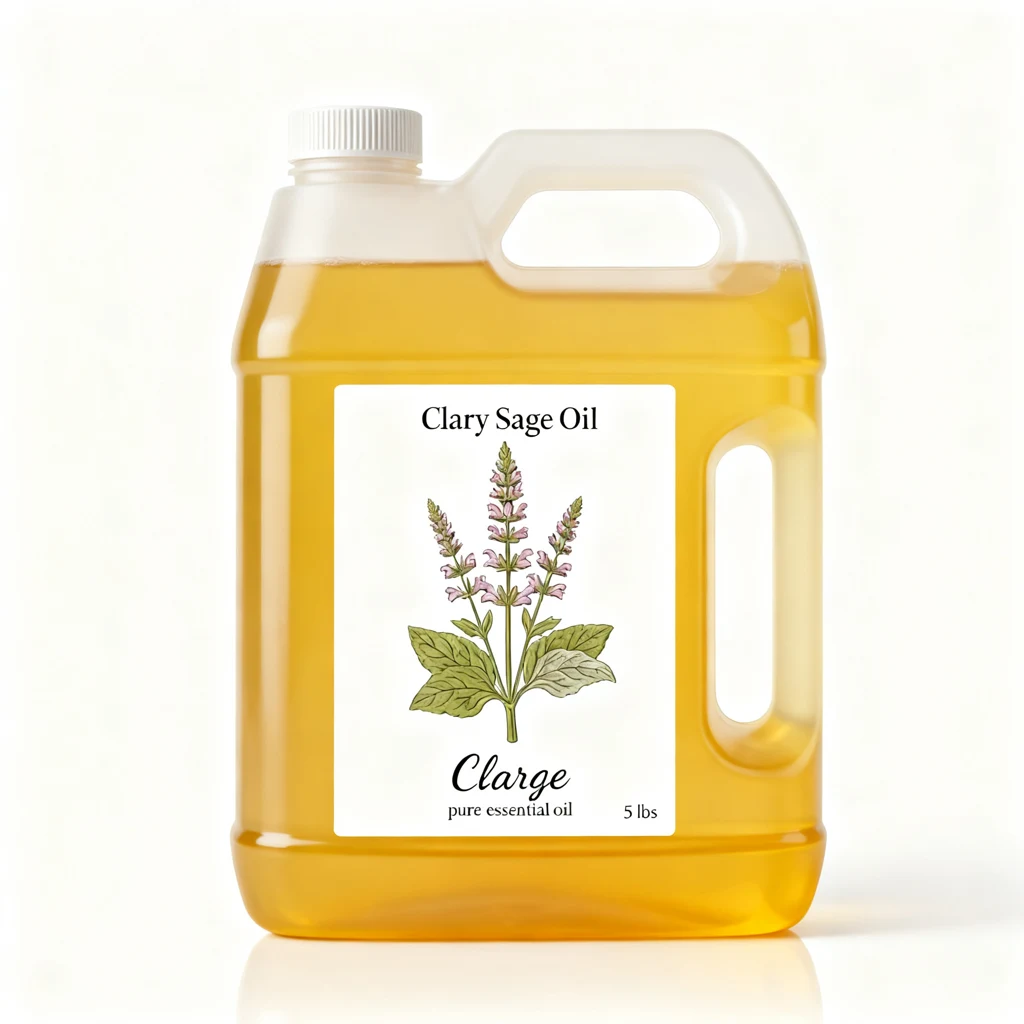
Five pounds is where the per-ounce price drops, the size makers turn to once samples prove out.
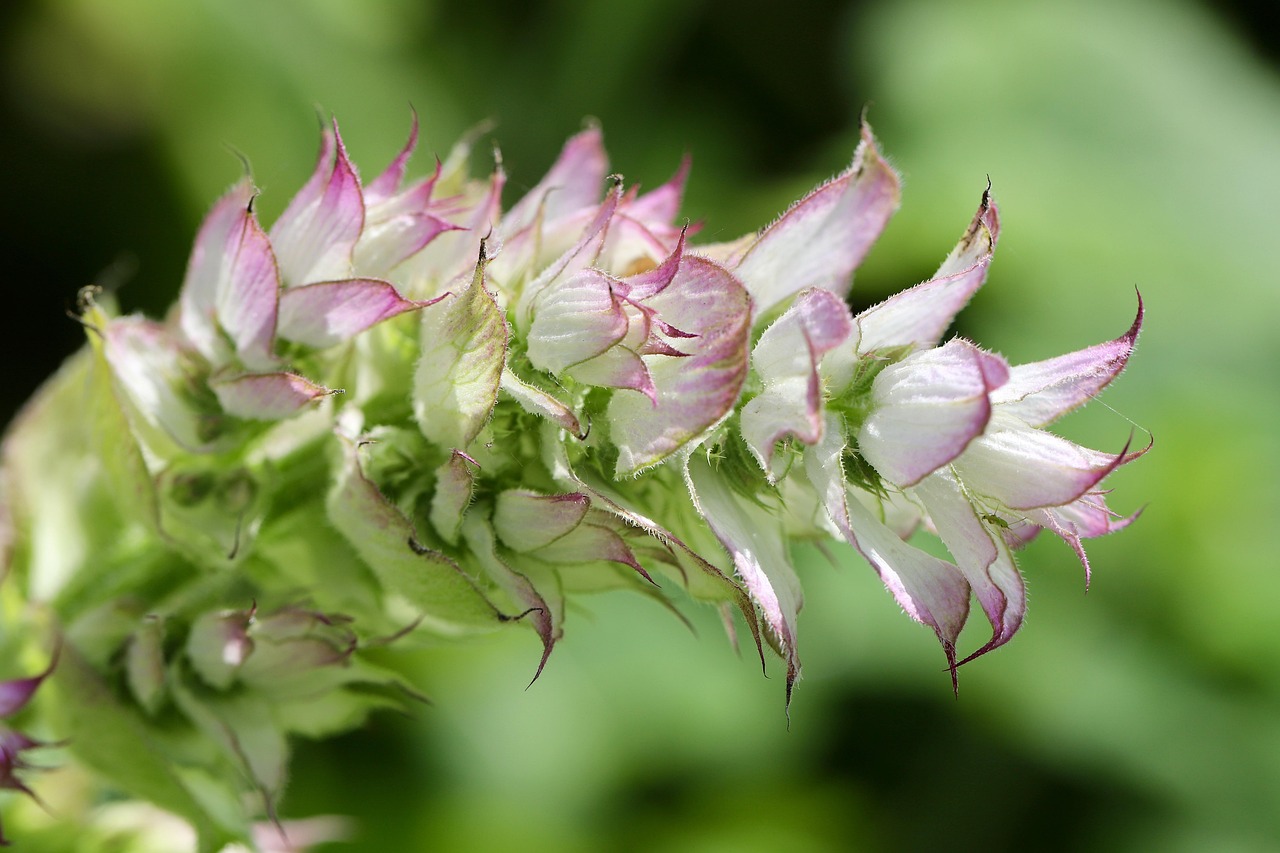
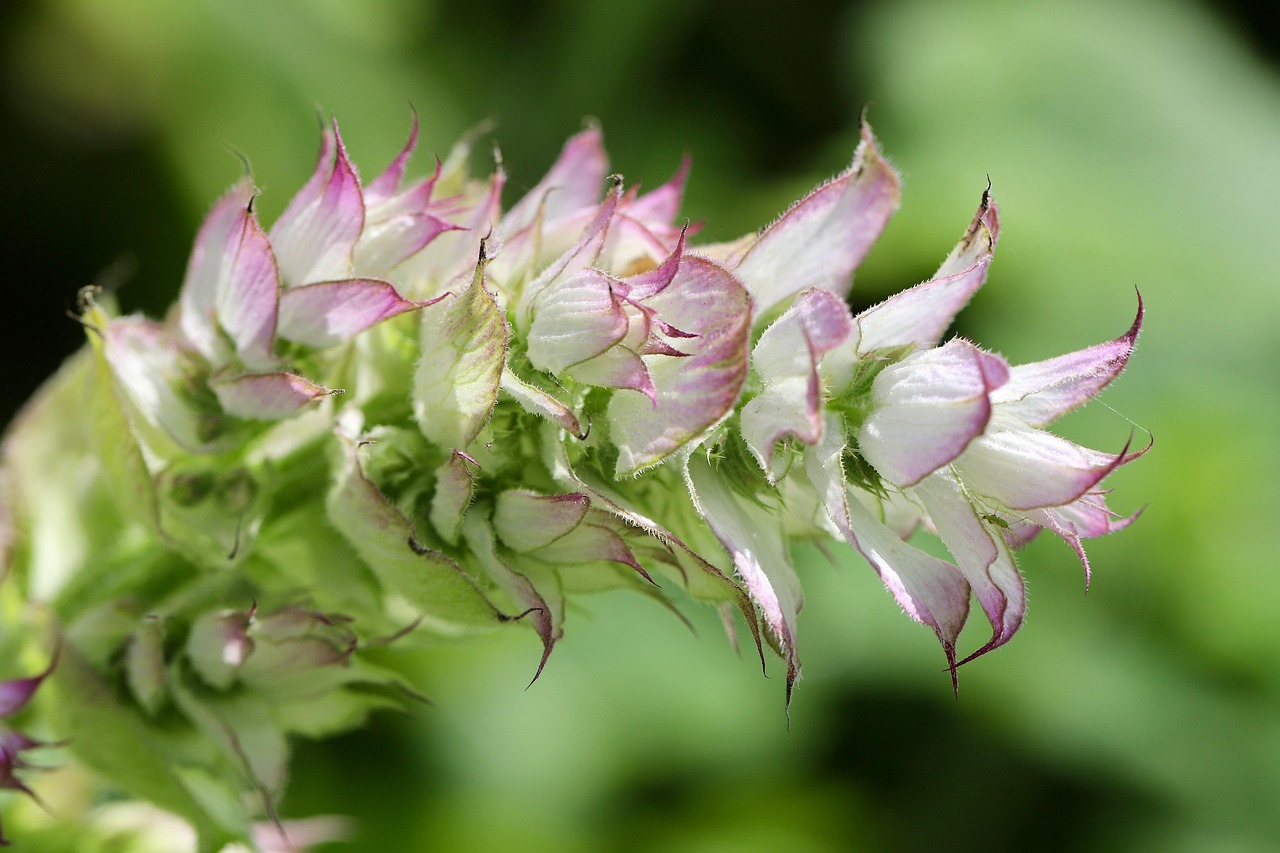
Clary sage oil is steam-distilled from the tall flowering stems of Salvia sclarea, a striking biennial with lilac blossoms grown in France, Russia, and the Balkans. Its naturally occurring sclareol made it a historic companion to winemaking, where it deepened muscatel character.
Where garden sage is sharp and camphoraceous, clary is sweet, dry, and softly herbal with nutty, tea-like undertones. It sits in the heart of a blend and rounds out lavender, bergamot, geranium, and sandalwood beautifully.
Clary sage finds its way into dusk diffuser sessions, unwinding bath blends, and DIY perfume work where a mellow herbal heart is wanted. Diluted in a carrier, it lends body and massage oils a gentle, grounding scent.
Flowering stems of Salvia sclarea are cut once the lilac blossoms open fully in the field.
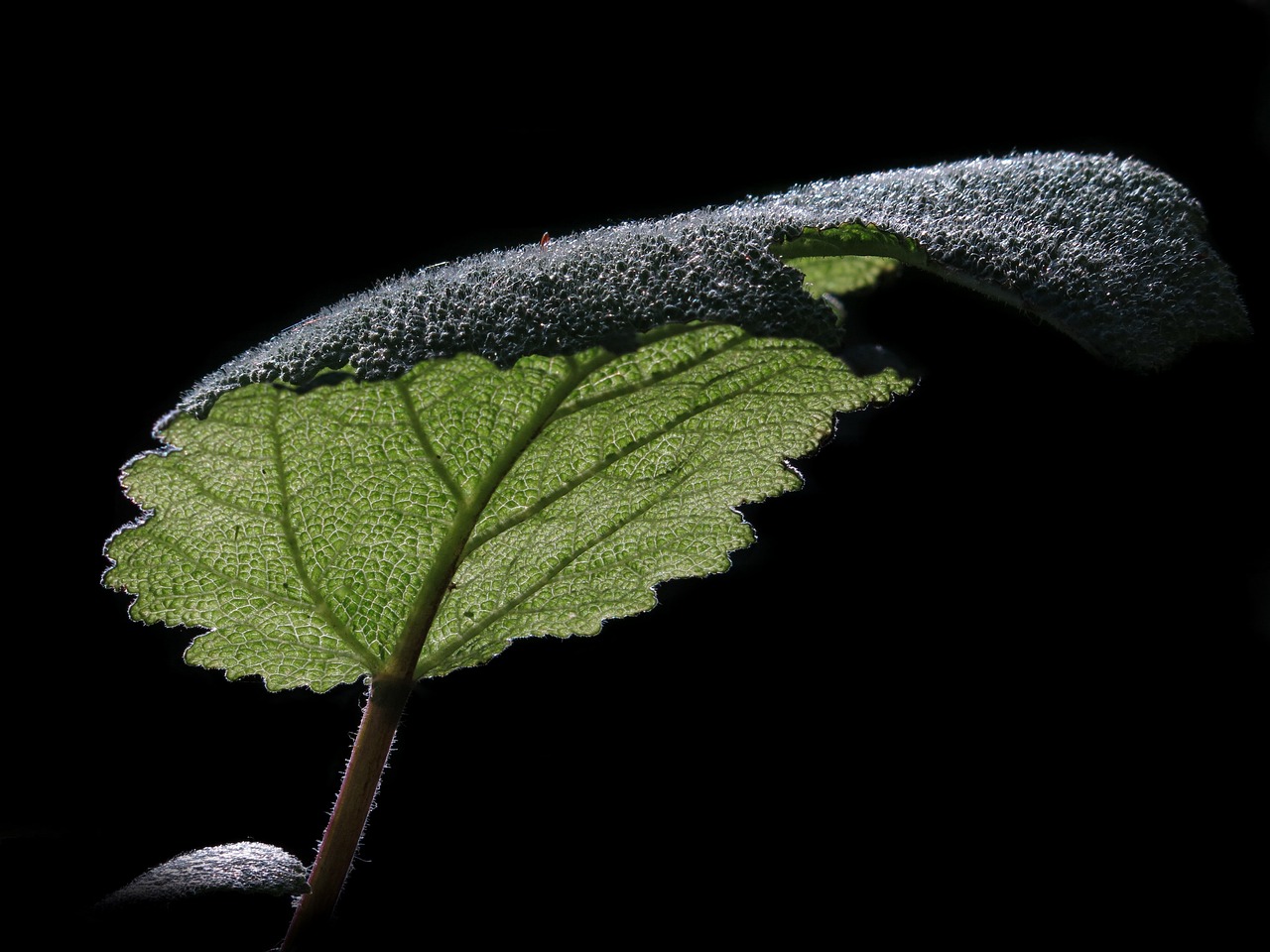
Cut stems are sorted and cleared of debris before they go anywhere near the still.
Steam passes through the plant material, carrying the aromatic compounds over and condensing them into oil.
Each finished batch is tested and the results are published on this site as a certificate of analysis.
The oil is bottled and stored away from heat and light to keep its character intact.
Clary sage is easy to describe honestly: sweet, dry, and softly herbal, without the sharper camphor note of common sage. If a bottle smells off from that, or thin and synthetic, that's worth questioning before you buy more.
The current batch's certificate of analysis is published on this site, so you can check what you're buying before it ships rather than taking a bottle's word for it. That documentation covers every size, from the half-ounce sample to the 400 pound drum.
| Distilled Clary Sage | Synthetic Fragrance Oil | |
|---|---|---|
| Source | Steam-distilled from Salvia sclarea grown in France | Lab-blended aroma chemicals, no plant material |
| Aroma | Sweet, dry, and softly herbal with nutty undertones | Approximated scent, often sharper or flatter |
| Composition | A single natural extract from one plant | A mixed formulation of synthetic compounds |
| Documentation | Batch-specific certificate of analysis published here | Typically no batch testing or public records |
| Best for | Blends, cosmetics, and craft work wanting a true herbal note | Cheaper mass-market scenting where origin doesn't matter |
Every bottle comes from Salvia sclarea alone, with nothing else blended in
The flowering stems for this oil come from a single origin region
The plant part harvested and carried into the still for distillation
The traditional process that separates aromatic oil from the plant stems
Before you order, these guides cover blending clary sage in a diffuser, diluting it for skin, and its distinct sweet, herbal scent.
Candle studios, independent soap makers, and perfumers who go through clary sage steadily order it in volume rather than by the bottle, since the per-ounce cost drops at the 5 pound size and again at the larger ones. Every bulk size ships with the same published batch documentation as the half-ounce sample, so a formulator can check a drum exactly the way they'd check a first bottle.
Cold-process soap makers value a dry herbal note that survives saponification without turning sharp.
See the guide →Candle studios blend clary sage into herbal or fougère-style pours where a soft, nutty sage note is wanted.
See the guide →Perfumers anchor a composition's base with clary sage's muscatel character, the same trait once prized in winemaking.
See the guide →