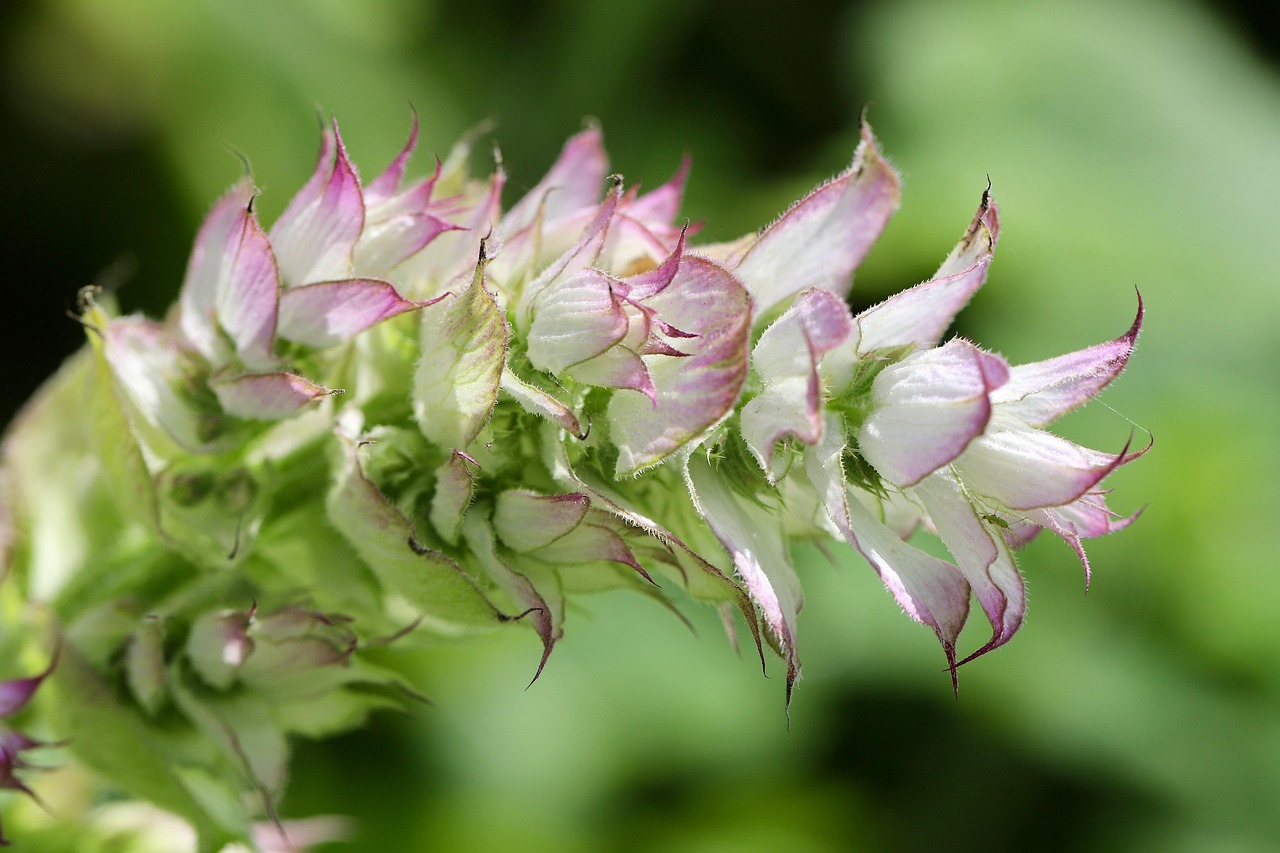
What Does Clary Sage Essential Oil Smell Like? A Full Scent Profile
Clary sage has a reputation that precedes it in fragrance circles, yet first-time buyers are often surprised when they open the bottle. It does not smell the way most people expect a sage to smell. There is no sharp camphor punch, no clean medicinal edge. Instead, the scent unfolds slowly, with a warmth and complexity that perfumers have prized for centuries. If you have been curious about what clary sage essential oil actually smells like before committing to a purchase, this deep dive will walk you through every layer of its aroma, the chemistry behind it, and what to look for in a quality oil.
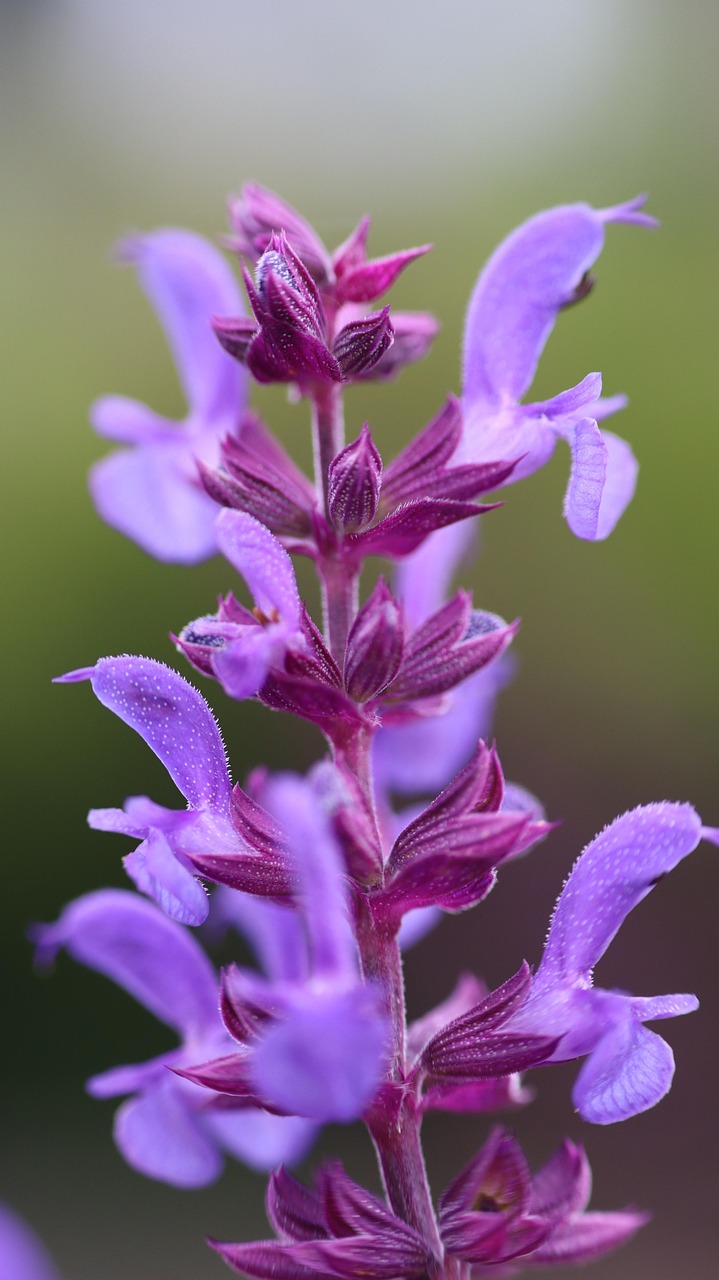
The First Impression: An Unexpected Softness
Open a bottle of high-quality clary sage essential oil and the first thing you notice is a kind of herbal sweetness that is both green and warm at the same time. It is earthy without being heavy. Some people catch a faint nuttiness, while others notice a soft floral quality hovering just beneath the surface. The sharpness you might associate with common garden sage is largely absent.
That difference comes down to chemistry. Clary sage (Salvia sclarea) and common sage (Salvia officinalis) share a botanical family but produce distinctly different aromatic profiles. For a full breakdown of how these two oils diverge in composition and character, see our guide on clary sage vs. sage essential oil.
Perfumers describe the clary sage scent using words like: amber, tobacco, hay, beeswax, wine-like, and floral-herbaceous. None of those descriptors alone captures it, but together they sketch the territory reasonably well.
The Muscatel Connection: Why Clary Sage Smells Like Fine Wine
The term you will encounter most often in any serious discussion of the clary sage scent is muscatel. This is not a poetic flourish. It is a precise aromatic descriptor pointing to a genuine chemical overlap between Salvia sclarea and the muscat grape.
Both share significant concentrations of linalool and linalyl acetate, compounds also found in lavender and bergamot. But clary sage adds something the others do not carry in the same way: sclareol, a diterpene alcohol unique to this plant. Sclareol contributes a soft, musky, amber-like warmth that sits at the base of the fragrance and gives it staying power. It is, in part, what makes the oil smell wine-adjacent rather than simply floral.
The muscatel aroma of clary sage has made it a foundational ingredient in vermouth and certain Muscat wine productions for generations. Distillers and winemakers have long used clary sage extracts to round out the grape's own aromatic profile. That culinary and beverage history tells you something important about the oil's character: it is rich enough to enhance fermented flavors without overwhelming them.
For a deeper look at how perfumers have built upon this quality for centuries, the article on the muscatel note in classic and modern perfumery is worth reading alongside this one.
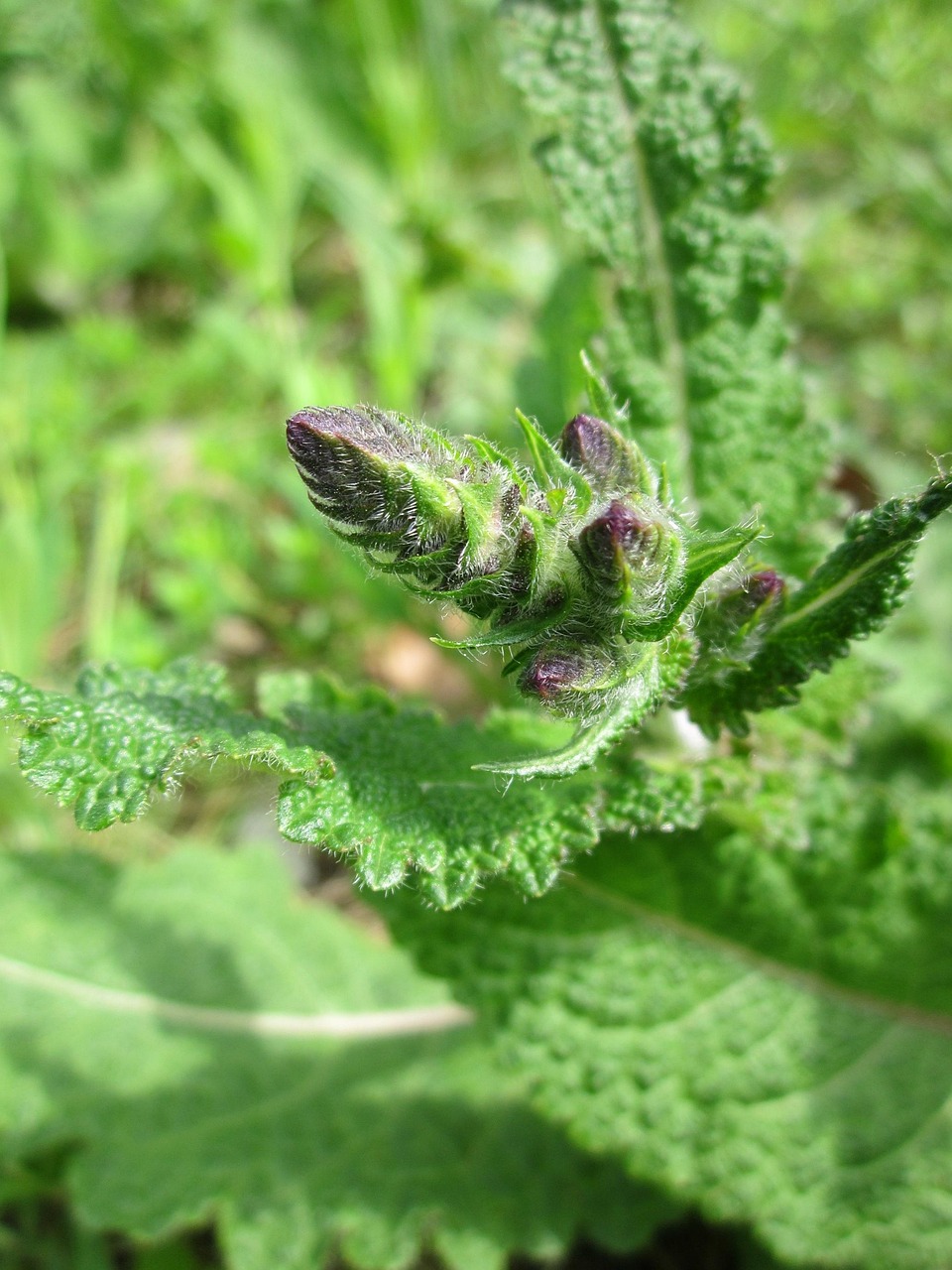
Chemical Composition: What Creates the Scent
A gas chromatography analysis of Salvia sclarea essential oil consistently identifies a cluster of compounds that collectively produce its characteristic aroma. The proportions vary depending on growing region, harvest timing, and distillation method, but certain compounds appear reliably across most commercial oils.
Linalyl Acetate (45 to 75%)
This ester is typically the dominant compound in clary sage oil and the primary driver of its sweet, floral-fruity character. Linalyl acetate is also the compound that gives lavender its soft, clean quality, but in clary sage it is supported by a very different aromatic cast that makes it read as warmer and more complex. Some research suggests linalyl acetate contributes to the oil's notably smooth, non-irritating scent character compared to other herbal essential oils.
Linalool (10 to 25%)
A terpene alcohol found across a wide range of aromatic plants, linalool adds a rounded floral-woody quality. It softens the overall profile and keeps the earthier base notes from feeling heavy. In sensory evaluations, research observers have noted that linalool-rich oils tend to register as less sharp on initial inhalation.
Germacrene D (1 to 12%)
This sesquiterpene varies considerably by provenance. It contributes a woody, faintly spicy undertone that becomes more perceptible in oils from certain Eastern European growing regions. Germarcene D is one of the reasons that clary sage from Bulgaria and clary sage from Morocco can smell noticeably different on a scent strip, even when both are labeled as Salvia sclarea.
Alpha-Terpineol and Geraniol (trace to 5%)
These compounds add minor floral nuance. They are present in smaller quantities but contribute to the layered quality that makes clary sage interesting rather than flat.
Sclareol (trace amounts in distilled oil)
Worth mentioning separately because of its cultural significance. Sclareol is far more concentrated in the concrete and absolute forms of clary sage than in the steam-distilled essential oil, but even trace amounts in distilled oil contribute to the musky, amber depth at the drydown. Sclareol is also a precursor used in the synthesis of ambergris-like fragrance compounds, which partly explains why clary sage appears so frequently in oriental and chypre perfume compositions.
| Compound | Typical Range | Aromatic Contribution |
|---|---|---|
| Linalyl acetate | 45 to 75% | Sweet, floral-fruity, soft |
| Linalool | 10 to 25% | Rounded floral, woody |
| Germacrene D | 1 to 12% | Woody, faintly spicy |
| Alpha-terpineol | up to 5% | Soft floral, pine-adjacent |
| Sclareol | trace (distilled) | Musky, amber warmth at base |
How Clary Sage Evolves on a Scent Strip
One of the more useful ways to understand an essential oil's aroma is to follow it through its evaporation stages, the way a perfumer would evaluate a raw material.
Top notes (first 5 to 10 minutes): The linalyl acetate comes forward quickly. The initial impression is herbal-sweet, green, and slightly fruity. Some people detect a faint wine-like quality immediately.
Heart notes (10 to 30 minutes): As the lightest compounds evaporate, the warmer, more complex character of the oil emerges. The linalool and germacrene D become more perceptible. The scent takes on a hay-like, slightly earthy quality that is deeply pleasant without being sharp.
Drydown (30 minutes and beyond): What remains is quiet and warm. The sclareol and heavier sesquiterpenes linger as a soft, powdery-musky base. This is where the muscatel aroma is most concentrated. On skin or fabric, this drydown can persist for several hours.
"Clary sage occupies a rare olfactory space: herbal enough to feel grounded, floral enough to feel refined, and warm enough to anchor a composition without dominating it. In natural perfumery, few raw materials offer that range from a single source."
How Sourcing Affects the Scent
Not all clary sage oils smell the same, and the differences are not trivial. Provenance shapes the chemical composition in meaningful ways.
Bulgarian clary sage is widely considered the benchmark for perfumery-grade oil. The growing conditions in the Rose Valley region produce oils with high linalyl acetate content (often toward the upper end of the range) and a pronounced floral-sweet character. The muscatel aroma is clean and bright.
French clary sage, particularly from Provence, tends toward a slightly more herbal and less fruity profile. Still excellent, and preferred by some blenders who want a more grounded character.
Moroccan and other North African oils often show higher germacrene D content, which pushes the scent profile toward the woody-spicy end. These can be interesting in diffuser blends but may read differently than buyers expecting the classic muscatel profile.
When evaluating quality, look for suppliers who provide gas chromatography (GC) or GC/MS reports with each batch. These documents confirm compound percentages and flag any adulteration. A clary sage oil with unusually low linalyl acetate or unexplained peaks in the chromatogram warrants scrutiny.
Harvest timing also matters considerably. Clary sage is ideally distilled from the flowering tops at peak bloom. Oil distilled from leaves alone or from plants past their flowering window will smell noticeably more vegetal and less nuanced.
Our complete guide to clary sage oil covers sourcing regions, distillation methods, and what to ask a supplier before purchasing in more detail.
Safety Profile and Contraindications
Clary sage essential oil has a well-documented safety profile when used appropriately in cosmetic and aromatic applications. That said, a few important considerations apply.
Skin Application
As with all essential oils, clary sage should be diluted before applying to skin. A standard dilution of 1 to 2% in a carrier oil is appropriate for most adults in cosmetic use contexts (1 to 2 drops per teaspoon of carrier oil). A patch test on a small area of inner arm skin before broader use is always a sensible step. Some individuals with sensitive skin may find higher concentrations irritating.
Pregnancy and Nursing
Clary sage is generally recommended to be avoided during pregnancy. The oil contains compounds that have historically been associated with uterine-stimulating properties in traditional botanical literature, and out of caution, most aromatherapy practitioners and professional organizations advise against its use during this period. Anyone who is pregnant or nursing should consult a qualified healthcare provider before using clary sage oil in any application.
Alcohol and Sedative Interactions
Anecdotal reports and some research observations suggest that clary sage may intensify the effects of alcohol when inhaled in significant quantities. It is generally recommended to avoid using clary sage in diffusers or massage contexts while consuming alcohol.
Driving and Concentration
Clary sage has a notably relaxing olfactory character. Some individuals report feeling drowsy after extended inhalation. For this reason, diffusing clary sage oil immediately before driving or operating machinery is not advisable.
Children and Pets
Essential oils should be kept out of reach of children and used with significant caution around pets. Cats in particular lack certain liver enzymes necessary to process many terpene compounds. If you share a home with animals, ensure diffusion happens in well-ventilated areas and that animals can leave the space freely.
Always consult a qualified healthcare provider with any specific health questions before incorporating essential oils into your routine.
How to Smell Clary Sage Before You Buy
If you have access to a shop that carries testers, take your time with clary sage. Do not evaluate it cold from the bottle immediately after opening. Hold the open cap near your nose from a few inches away first, then smell again after a few minutes. The initial burst of linalyl acetate can be intense. The character of the oil becomes clearer once that first wave settles.
On a paper scent strip, let it sit for at least 20 minutes before forming a judgment. The drydown is often where clary sage reveals its most appealing quality: that quiet, warm, hay-and-beeswax muscatel note that has made it a perfumer's reference material for generations.
If you are ordering online, trust suppliers who describe the scent in specific terms rather than vague superlatives. Look for batch-specific GC/MS data, clear country of origin labeling, and a harvest year. These details indicate a supplier engaged seriously with quality at the source level, and that engagement correlates reliably with what you will find in the bottle.
The clary sage scent is one of the more rewarding discoveries in natural aromatics. It rewards patience and attention in a way that simpler oils do not, and once you have come to know it well, it becomes surprisingly easy to recognize even in small concentrations within a complex blend.