DIY Clary Sage Room Spray: Soft Herbal Calm in a Bottle
There is something quietly satisfying about walking into a room that smells exactly right. Not overpowering. Not synthetic. Just a soft, herbal presence that makes the air feel a little more intentional. A homemade clary sage room spray can do exactly that, and it costs a fraction of what you would spend on a commercial linen mist.
This recipe is straightforward enough for a first-time DIY maker, yet flexible enough to suit a range of scent preferences. The base stays the same. The variations are where you can get creative.
Why Clary Sage for a Room Spray?
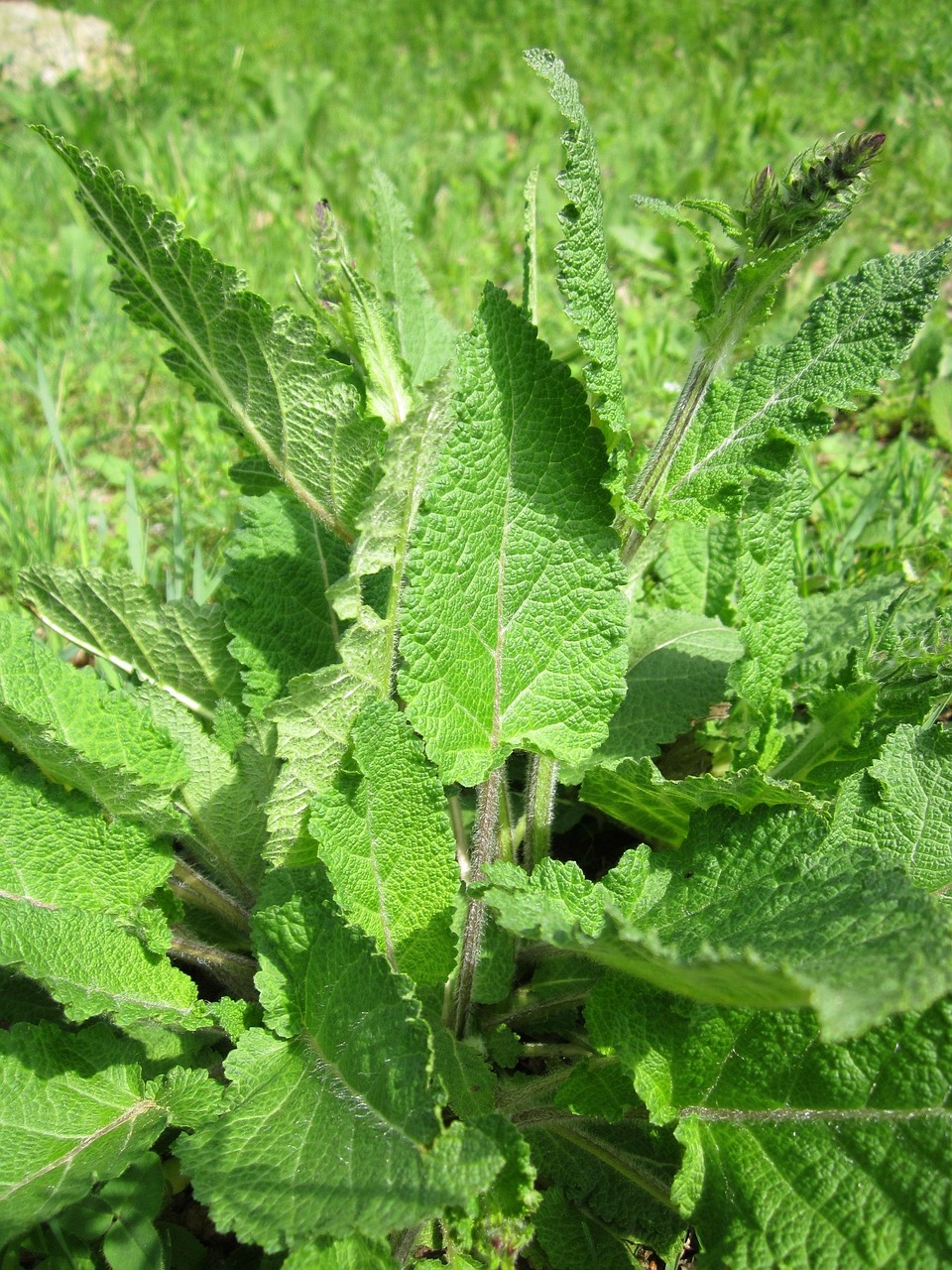
Clary sage essential oil carries a scent that is difficult to place on first sniff. It is earthy but not heavy, herbal but not medicinal, slightly sweet with a dry, almost nutty finish. Some people describe it as having a hint of warm hay or dried wildflowers. That complexity is what makes it interesting as a room fragrance.
Unlike lavender, which tends to read as immediately soft and floral, clary sage brings a little more character to a space. It layers well with citrus oils that add brightness, or with sandalwood and cedarwood that anchor the blend in something warmer. For a herbal room mist, it is genuinely one of the more versatile starting points.
If you want to go deeper into the oil itself before you start blending, the ultimate guide to clary sage essential oil uses for the home is a good place to spend some time. It covers sourcing, quality markers, and how to read a label.
What You Will Need
Equipment
- 1 x 4-ounce (120 ml) dark glass spray bottle (amber or cobalt blue)
- Small measuring jug or glass beaker
- Pipette or dropper
- Labels and a marker
- Funnel (optional but helpful)
Ingredients
| Ingredient | Amount | Purpose |
|---|---|---|
| Distilled water | 3 oz (90 ml) | Base carrier |
| High-proof alcohol (190-proof grain alcohol or 91% isopropyl) | 1 oz (30 ml) | Dispersant and preservative |
| Clary sage essential oil | 20 drops | Primary fragrance |
| Bergamot essential oil (optional) | 10 drops | Brightening citrus top note |
| Cedarwood essential oil (optional) | 8 drops | Warm, grounding base note |
Total essential oil drops: 38 drops in 4 oz (approximately 1.6% dilution). This falls within the safe range for a leave-on room spray applied to soft furnishings.
A note on the alcohol: The alcohol serves two purposes. It helps the essential oils disperse into the water rather than floating on top, and it extends the shelf life of your mist. Without it, you would need to shake the bottle vigorously before every single use, and the spray would go off faster. Grain alcohol (such as Everclear) is preferred for its neutral scent. High-percentage isopropyl works too, though it has a faint chemical note that fades quickly once the spray dries.
Step-by-Step Instructions
Difficulty level: Beginner
Prep time: 10 minutes
Settling time: 24 hours (recommended before first use)
-
Prepare your workspace. Wipe down your surface, wash your hands, and gather all your equipment. Essential oils can stain fabric and damage some wood finishes, so working on a protected, easy-to-clean surface is worth the extra minute of setup.
-
Measure the alcohol. Pour 1 oz (30 ml) of high-proof alcohol into your measuring jug. The alcohol goes in first.
-
Add the essential oils to the alcohol. Drop in your clary sage oil first, then any additional oils you are using. Stir or swirl gently. Adding the oils to the alcohol before the water helps them incorporate more evenly.
-
Add the distilled water. Pour in 3 oz (90 ml) of distilled water. Tap water can be used in a pinch, but distilled water has fewer minerals and is less likely to leave residue on fabric or block the spray nozzle over time.
-
Transfer to your spray bottle. Use a small funnel if needed. Secure the spray nozzle firmly.
-
Label your bottle. Write the date, the full ingredient list, and a brief note about the contents. This matters more than it sounds, especially if you make multiple blends.
-
Let it rest. Set the bottle aside for 24 hours before using it. This resting period lets the fragrance molecules settle and integrate. The scent on day two will be noticeably rounder than it was on day one.
-
Shake before each use. Even with alcohol in the formula, essential oils and water will separate over time. A few quick shakes before spraying keeps the blend consistent.
How to Use Your Clary Sage Room Spray
Mist the air in the center of a room and let the droplets settle naturally. Hold the bottle about 12 inches away from fabric surfaces if you are spraying near soft furnishings, and always do a small test on an inconspicuous area first. Linen, cotton, and most synthetics tend to be fine, but silk and delicate fabrics can watermark.
This DIY room spray works well in bedrooms as part of a quiet evening wind-down routine, in a home office to mark the transition between work mode and off-hours, or in a bathroom after a long soak. For a complete evening ritual, you might also enjoy the clary sage bath oil recipe for a quiet evening soak, which pairs naturally with this spray.
For days when you want fragrance without a spray, the same essential oil blend translates well into a diffuser. The clary sage diffuser blends for a relaxing evening atmosphere article has a handful of tested combinations to explore.
Safety Warnings and Contraindications
Room sprays occupy a gentler category than direct skin applications, but there are still a few things worth knowing before you start spritzing.
Dilution and Skin Contact
The recipe above is formulated as a room and linen spray. At approximately 1.6% total essential oil dilution, it is within the low end of what is generally considered acceptable for incidental skin contact from a room mist. However, it is not formulated as a body spray or perfume. If you want to wear it directly on skin, please consult a qualified aromatherapist about appropriate dilution levels for your specific situation, and always perform a patch test first.
Patch test instructions: Spray a small amount on the inside of your elbow. Wait 24 hours. If you notice any redness, itching, or irritation, discontinue use.
Pregnancy and Nursing
Clary sage essential oil is widely cited in aromatherapy literature as one to approach with caution during pregnancy. If you are pregnant or nursing, please speak with your healthcare provider before using this or any essential oil product.
Children and Pets
Keep essential oil sprays away from the faces of young children. With pets, ventilate the room well after spraying, and if you have cats in particular, be aware that they can be sensitive to many essential oils. Consult your veterinarian if you have concerns.
Flammability
High-proof alcohol is flammable. Store your finished spray away from open flames and heat sources. Do not spray near a lit candle.
Bergamot and Sunlight
If you include bergamot in your blend, use bergamot FCF (furanocoumarin-free) if you think the spray might contact skin. Standard bergamot contains natural compounds that can cause photosensitivity.
Storage Instructions and Shelf Life
Store your room spray in a cool, dark location away from direct sunlight. A cabinet or drawer is ideal. Dark glass bottles help protect the essential oils from light degradation, but temperature matters too. Heat accelerates oxidation.
Expected shelf life: 3 to 6 months when stored properly. The alcohol extends this window considerably compared to a water-only base. Trust your nose: if the scent smells flat, off, or noticeably different from when you first made it, it is time to mix a fresh batch.
Make small batches rather than large ones. A 4-ounce bottle gets used up quickly enough that freshness is rarely an issue, and it keeps the process enjoyable rather than obligatory.
Variations and Substitutions
The Citrus Lift Variation
Swap cedarwood for sweet orange essential oil and increase the bergamot slightly. This produces a brighter, more energizing daytime blend that works well in a kitchen or living space.
- Clary sage: 20 drops
- Bergamot FCF: 12 drops
- Sweet orange: 10 drops
The Earthy Forest Variation
Skip the citrus entirely and lean into the woody, resinous notes. This one suits a home office or reading room particularly well.
- Clary sage: 20 drops
- Cedarwood Atlas: 12 drops
- Vetiver: 4 drops
- Frankincense: 6 drops
The Floral Soft Variation
For something closer to a classic bedroom mist, layer clary sage with geranium and a touch of ylang ylang. The ylang ylang is potent, so keep it to just a few drops.
- Clary sage: 18 drops
- Geranium: 14 drops
- Ylang ylang: 4 drops
No Alcohol Substitution
If you prefer an alcohol-free version, replace the alcohol with witch hazel (which typically contains some alcohol already) or with a small amount of polysorbate 20, a cosmetic-grade solubilizer that helps oils disperse into water. With witch hazel, the shelf life remains reasonable. With plain water only, plan to use the spray within two to three weeks and refrigerate between uses.
Carrier Oil Addition
Some makers add 5 to 10 drops of jojoba oil to their room spray for a slightly richer scent throw and a more luxurious feel on linens. If you do this, shake the bottle even more vigorously before use, as oil and water separate quickly.
A Few Final Notes on Ingredients and Quality
The quality of your clary sage essential oil matters more here than you might expect. Room sprays rely entirely on the integrity of the fragrance. A poor-quality or adulterated oil will smell flat or oddly sharp, and no amount of blending will fix it. Look for oils that carry a GC/MS report (gas chromatography/mass spectrometry testing), list the botanical name Salvia sclarea on the label, and give you country of origin information. France, Bulgaria, and Russia are among the prominent growing regions.
Single-origin, steam-distilled clary sage tends to have the most nuanced scent profile. Solvent-extracted versions exist but are generally aimed at perfumery applications rather than home use.
Once you have your oils sourced and your first batch made, this recipe becomes something you will return to repeatedly. The formula is fast, the ingredients are accessible, and the result is genuinely lovely. A few spritzes before bed, and the room feels like yours.