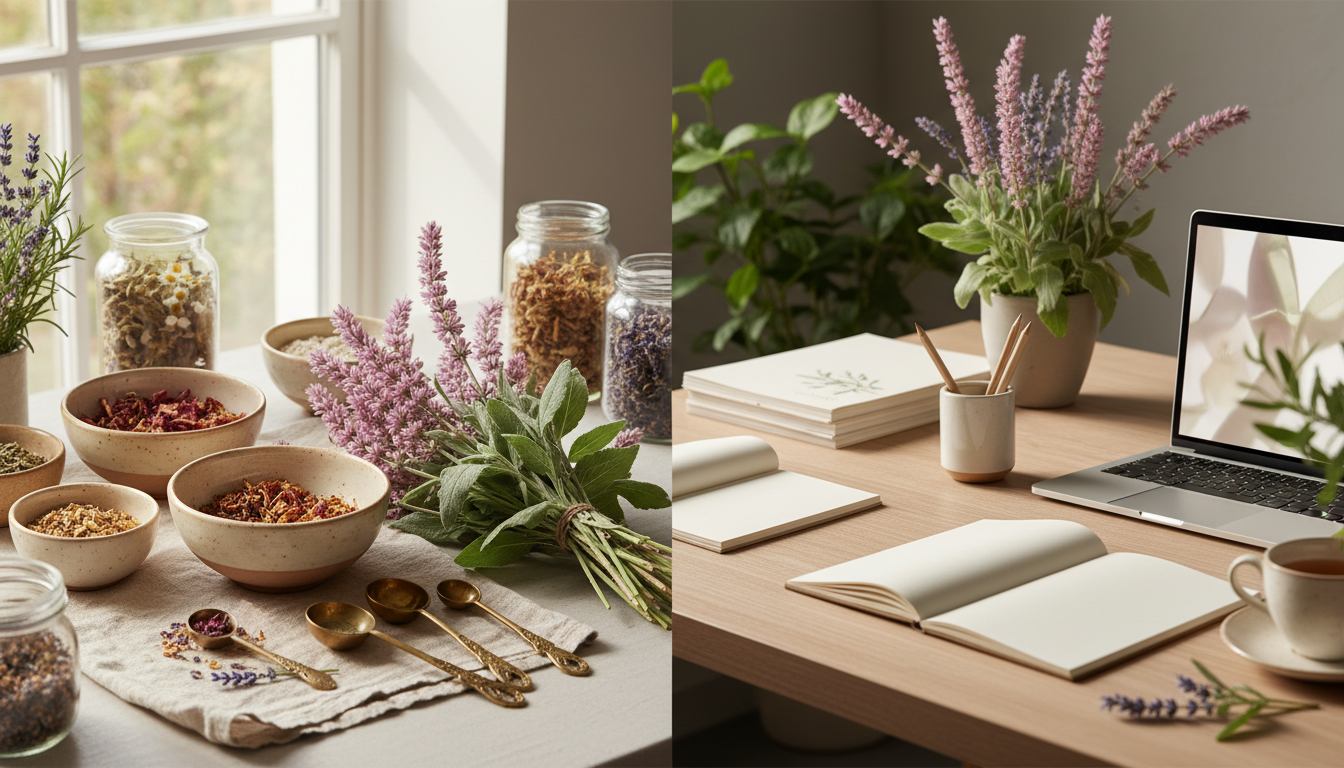
DIY Clary Sage Bath Oil for a Quiet Evening Soak
Some evenings call for more than a quick shower. When the day has been long and the mind keeps circling back to unfinished thoughts, a warm bath with a well-crafted oil blend can shift the whole atmosphere of the night. This clary sage bath oil is built around that idea: a grounding, softly herbal soak that makes the hour before bed feel intentional rather than rushed.
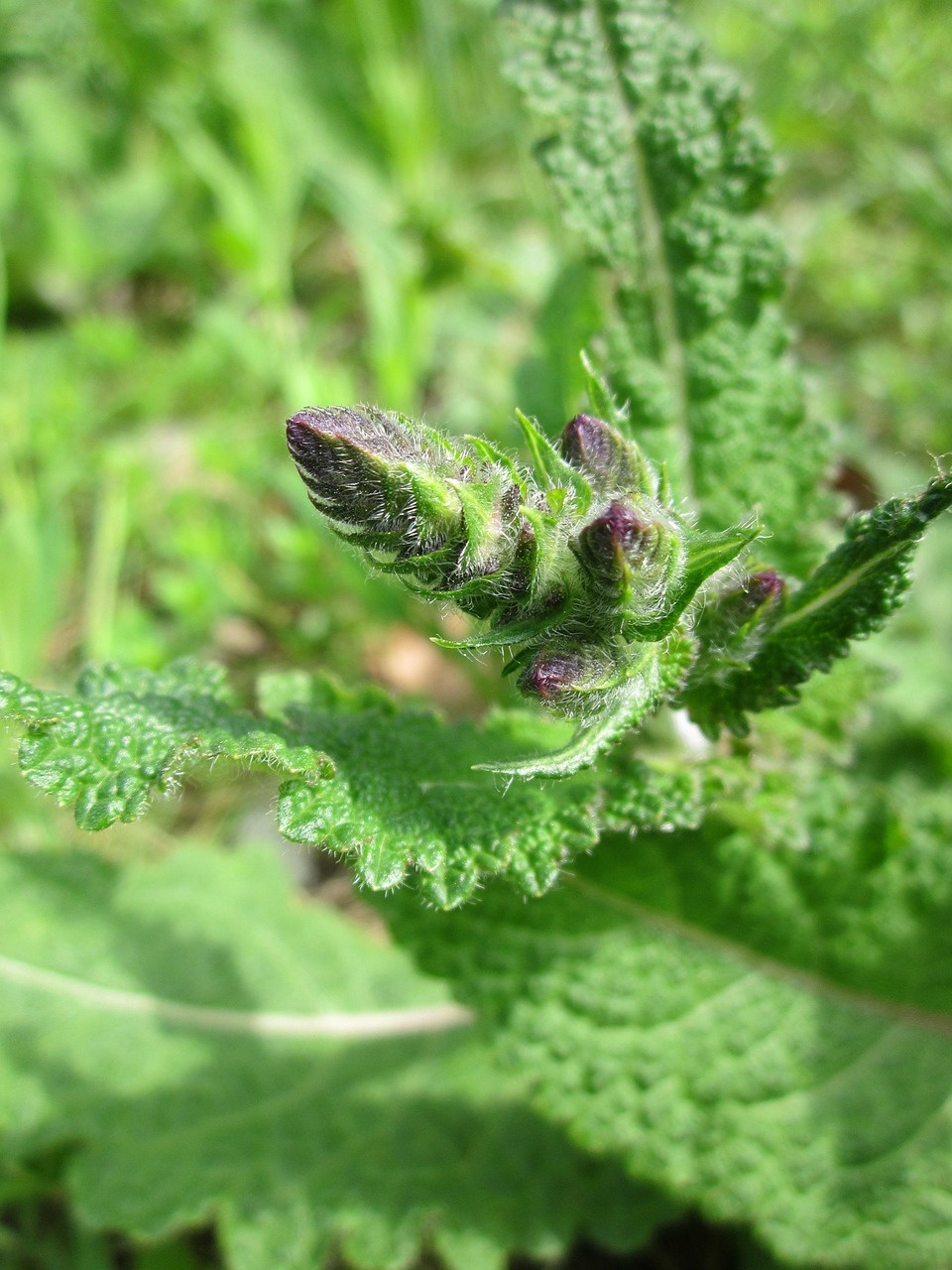
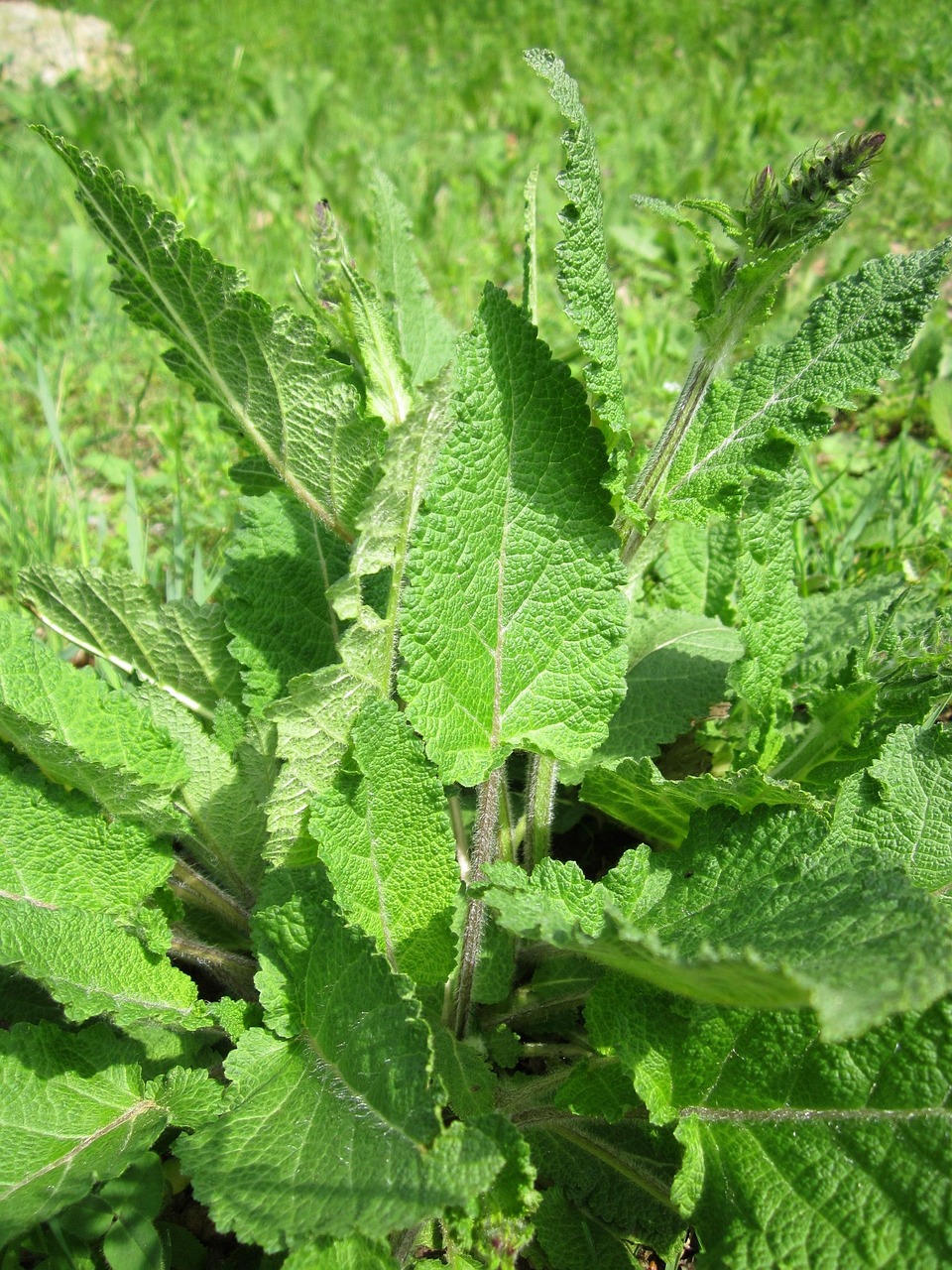
Clary sage essential oil has a scent profile that sits somewhere between earthy and floral, with a faint, almost nutty warmth underneath. It blends beautifully with carrier oils and disperses through warm bathwater in a way that feels genuinely indulgent. This recipe keeps things simple. You likely have most of the ingredients already, and the whole thing comes together in under ten minutes.
Before You Begin: A Quick Note on Safety
Essential oils are highly concentrated plant extracts. They should never be added to bathwater undiluted. Oil and water do not mix, which means undiluted drops can pool on the surface and make direct skin contact far more concentrated than intended. Blending your essential oils into a carrier oil first solves this problem and also gives the water a silky, moisturizing quality.
If you are pregnant, nursing, or have a known sensitivity to salvia-family plants, please speak with a qualified healthcare provider before using clary sage oil in any form. This recipe is formulated for adult use only and is not suitable for children under twelve.
What You Will Need
Equipment
- 1 small glass mixing bowl or measuring cup (at least 4 oz capacity)
- A small whisk or glass stirring rod
- 1 dark glass bottle with a tight-fitting cap or dropper (2 oz / 60 ml is ideal)
- A small funnel
- Labels and a marker for dating your batch
Ingredients
| Ingredient | Amount | Role in the Blend |
|---|---|---|
| Sweet almond oil | 3 tablespoons (45 ml) | Primary carrier; lightweight, skin-softening |
| Jojoba oil | 1 tablespoon (15 ml) | Secondary carrier; long shelf life, non-greasy |
| Clary sage essential oil | 12 drops | Primary aromatic note; earthy, softly floral |
| Lavender essential oil | 6 drops | Complementary floral note; smooths the blend |
| Cedarwood essential oil | 4 drops | Grounding base note; anchors the scent profile |
| Vitamin E oil (optional) | 1 capsule (approx. 400 IU) | Natural preservative; supports oil freshness |
Total essential oil count: 22 drops in 60 ml of carrier oil. This works out to roughly a 1.8% dilution, which sits comfortably within standard cosmetic guidelines for leave-on skin applications. For bath use, you will use approximately 1 tablespoon (15 ml) of this finished blend per bath, which further reduces the effective concentration once dispersed in a full tub of water.
Want to explore more uses for your bottle of clary sage essential oil beyond the bath? The ultimate guide to clary sage essential oil uses for the home covers everything from linen sprays to diffuser blends in one thorough reference.
Step-by-Step Instructions
Difficulty level: Beginner
Prep time: 8 to 10 minutes
Yield: Approximately 2 oz (60 ml), enough for 4 baths
-
Prepare your workspace
Wipe down your mixing bowl, stirring rod, and funnel with rubbing alcohol and let them air dry completely. Even a small amount of water in your oil blend can introduce bacteria and shorten shelf life significantly. Work on a clean, flat surface with good lighting so you can count your drops accurately.
-
Measure the carrier oils
Pour the sweet almond oil into your glass bowl first, then add the jojoba. Stir them gently together. They will combine immediately since they are both non-polar oils. If you are using vitamin E, pierce the capsule and squeeze the contents in at this stage.
-
Add the essential oils
Count your drops carefully. Clary sage first (12 drops), then lavender (6 drops), then cedarwood (4 drops). Adding them in this order, from most to least, makes it easier to catch a counting error before the blend is complete. Stir gently after all drops are in.
-
Smell and adjust
Hold the bowl a few inches from your nose (never directly under it) and take a slow breath. The clary sage should be the dominant note, with lavender softening it and cedarwood grounding the back end. If the clary sage reads too sharp for your preference, you can add one or two more drops of lavender. Make a note of any adjustments so you can replicate or refine the blend next time.
-
Bottle and label
Using the funnel, pour the finished blend into your dark glass bottle. Cap it tightly. Label the bottle with the date of creation, the ingredient list, and the words "For external use only. Dilute before skin contact." Even if the bottle lives on your own bathroom shelf, a label protects against accidental misuse.
-
Let it rest
Set the capped bottle aside for at least a few hours before using it. The aromatic compounds continue to blend and mellow as they sit. Many people find the scent noticeably smoother on day two than on the day they made it.
How to Use Your Clary Sage Bath Oil
Run a warm bath (not scalding; very hot water can cause essential oil vapors to feel overwhelming and can also irritate skin). Once the tub is nearly full, pour approximately 1 tablespoon of the bath oil directly into the water and swirl it around with your hand to disperse it as much as possible.
Step in carefully. Oil on the tub surface makes it slippery. Soak for 15 to 20 minutes. The warm water will carry the scent upward in a gentle, continuous way that feels quite different from a diffuser. After your soak, rinse with clean water and pat skin dry rather than rubbing, which lets some of the conditioning oil remain on the skin.
If you enjoy layering scent through your evening routine, the clary sage diffuser blends for a relaxing evening atmosphere collection pairs well with this bath oil. Running a diffuser blend in the bathroom before your soak builds the scent atmosphere before you even fill the tub.
Safety Warnings and Contraindications
Please read before use. These safety notes are not optional additions. They apply to every batch of this recipe.
- Patch test first. Before your first full bath with this blend, apply a small amount (about the size of a dime) to the inside of your forearm. Wait 24 hours and check for any redness, itching, or irritation. If you notice any reaction, discontinue use and consult a healthcare provider.
- Dilution is non-negotiable. This recipe is already formulated to a safe dilution level. Do not add extra drops of essential oil to the bath beyond the recommended 1 tablespoon of finished blend.
- Slippery surfaces. Oil in a bathtub creates a fall risk. Use a non-slip bath mat inside the tub and be deliberate when stepping in and out.
- Pregnancy and nursing. Clary sage is not recommended for use during pregnancy. If you are pregnant, nursing, or trying to conceive, consult a qualified healthcare provider before using this or any essential oil product.
- Sensitive skin. If your skin tends to react to fragrance or botanical ingredients, reduce the essential oil count by half on your first use and assess your skin's response before using the full recipe.
- Keep away from eyes and mucous membranes. Avoid touching your face during or after your soak until you have rinsed your hands.
- Not for internal use. This product is for external, topical use only.
Storage Instructions and Shelf Life
Store your finished bath oil in a cool, dark location away from direct sunlight and heat sources. A bathroom cabinet is fine as long as it does not sit on a windowsill or near a heating vent. Avoid storing it in the shower where it will be exposed to steam and temperature fluctuations repeatedly.
Carrier oils, particularly sweet almond oil, are subject to oxidation over time. The vitamin E oil in this recipe helps slow that process, but it does not stop it entirely. The blend is best used within three to four months of the date you made it. Jojoba (technically a liquid wax) is quite shelf-stable on its own; if you want a longer-lasting batch, you can swap the sweet almond oil for additional jojoba, which will extend the blend to six months or more.
Signs that your oil has gone off include a noticeably rancid or "crayon-like" smell, cloudiness, or a change in texture. When in doubt, make a fresh batch. The ingredients are inexpensive enough that freshness is always worth prioritizing.
Variations and Substitutions
Carrier Oil Swaps
Sweet almond oil is an excellent all-purpose choice, but it is not suitable for people with tree nut sensitivities. In that case, substitute sunflower seed oil or grapeseed oil in equal quantity. Both are lightweight, skin-compatible, and relatively neutral in scent so they will not compete with the essential oil blend.
For a richer, more deeply moisturizing version, replace half the sweet almond oil with apricot kernel oil. It absorbs a little more slowly and leaves skin feeling notably softer after drying.
Essential Oil Variations
The Citrus Lift: Swap cedarwood for 4 drops of bergamot (bergapten-free). This brightens the blend and gives it a fresher, lighter quality. Good for early evening when you want something a little more uplifting rather than deeply grounding.
The Woodsy Version: Replace lavender with 6 drops of vetiver and reduce cedarwood to 2 drops. This creates a significantly earthier, more resinous scent profile. It suits people who find floral notes too sweet.
The Minimalist Blend: Use only clary sage (15 drops) and sweet almond oil (4 tablespoons). Nothing else. Sometimes a single-note bath oil lets you appreciate what clary sage actually smells like before adding complexity.
Adding a Dispersant
Polysorbate 20 is a cosmetic-grade emulsifier that helps oil and water mix more thoroughly. If you would like better dispersion in the bath (and slightly less oil film on the tub surface), you can add 1 tablespoon of polysorbate 20 to your finished batch. It is colorless, odorless, and widely available from cosmetic suppliers. Adjust the bottle size accordingly since this addition increases total volume.
Pairing Your Evening Ritual
This bath oil works especially well as part of a broader wind-down sequence. If you enjoy a soft scent in your space after the bath, a clary sage room spray applied to your pillowcase or bedroom air can extend the calm, herbaceous note into the sleeping environment. The DIY clary sage room spray recipe uses compatible aromatic notes and takes only minutes to put together.
The goal is not a complicated routine. It is a few small sensory cues that signal to your nervous system that the day is winding down. A warm bath with a scent you genuinely enjoy is one of the quieter, more affordable ways to make that transition feel considered rather than accidental.
Make a batch this weekend. Use it twice. Adjust what does not feel right. Most DIY bath oil recipes improve with iteration, and clary sage is forgiving enough to accommodate your preferences.