
Where to Buy Clary Sage Essential Oil Online: An Ordering Checklist
Buying an essential oil online should be straightforward. In practice, it rarely is. The clary sage category alone spans a wide range of quality tiers, sourcing regions, and price points, and the labeling on many bottles tells you almost nothing useful. This guide gives you a practical checklist to work through before you commit to a purchase, whether you are stocking a home diffuser for the first time or replenishing a well-loved bottle you have used for years.
If you want background on what clary sage actually is before you buy, start with our complete guide to the muscatel herb. When you already know the oil but are unsure which size makes sense for your routine, the bottle size guide walks through that decision in detail.
What Quality Actually Looks Like in Clary Sage Oil
The most important thing to understand is that the phrase "pure essential oil" has no regulated definition in the United States. Any seller can print it on a label. What separates a genuinely high-quality clary sage oil from a mediocre one comes down to a handful of verifiable factors.
Botanical Latin Name on the Label
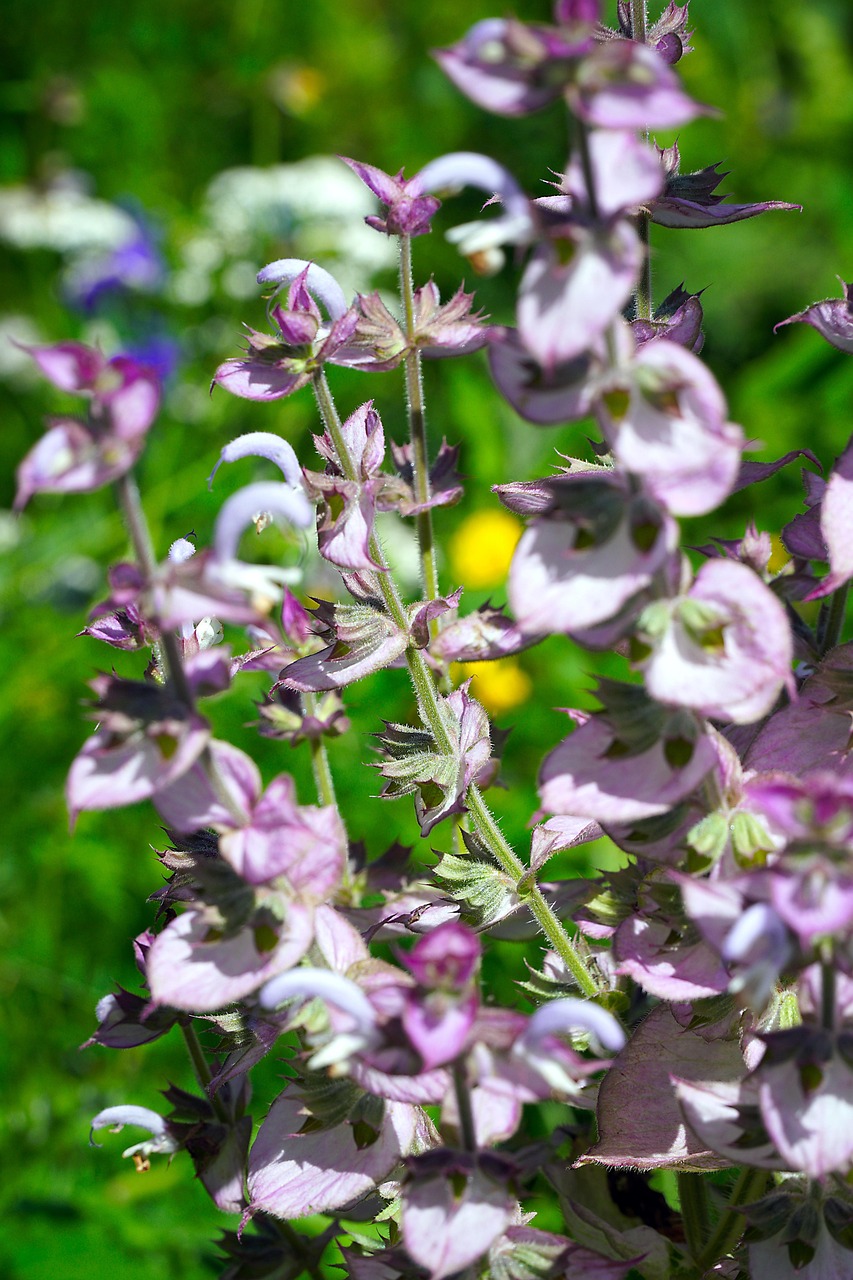
Look for Salvia sclarea printed somewhere on the bottle or in the product listing. This is the species that produces the characteristic warm, slightly sweet, herbaceous scent clary sage is known for. If a listing only says "sage oil" or fails to name the species at all, walk away. Common sage (Salvia officinalis) is a different plant with a sharply different chemical profile, and sellers sometimes list both under the same informal name.
GC/MS Testing and Batch Transparency
Gas chromatography/mass spectrometry testing, usually abbreviated GC/MS, breaks down the precise chemical composition of an oil. Reputable sellers publish these reports, called certificates of analysis, for each production batch. Some link to them directly from the product page. Others provide a batch number and make reports available on request. Either approach is acceptable. What matters is that the data exists and is accessible.
The main marker to look for in a clary sage GC/MS report is linalyl acetate, typically the dominant constituent, often appearing in the 58 to 78 percent range in quality oils from Mediterranean or Eastern European growing regions. Linalool is usually the second most prominent component. If a report shows numbers that fall far outside those ranges with no explanation of the sourcing region, that is worth questioning.
Country of Origin and Distillation Method
France, Bulgaria, Russia, and Morocco are the most common and well-regarded sourcing regions for clary sage. Each region produces a slightly different aromatic profile due to soil, climate, and local agricultural practices. Steam distillation is the standard extraction method and should be clearly stated. If a listing describes "cold-pressed" clary sage oil, that is a red flag: clary sage is not extracted by cold pressing.
Packaging
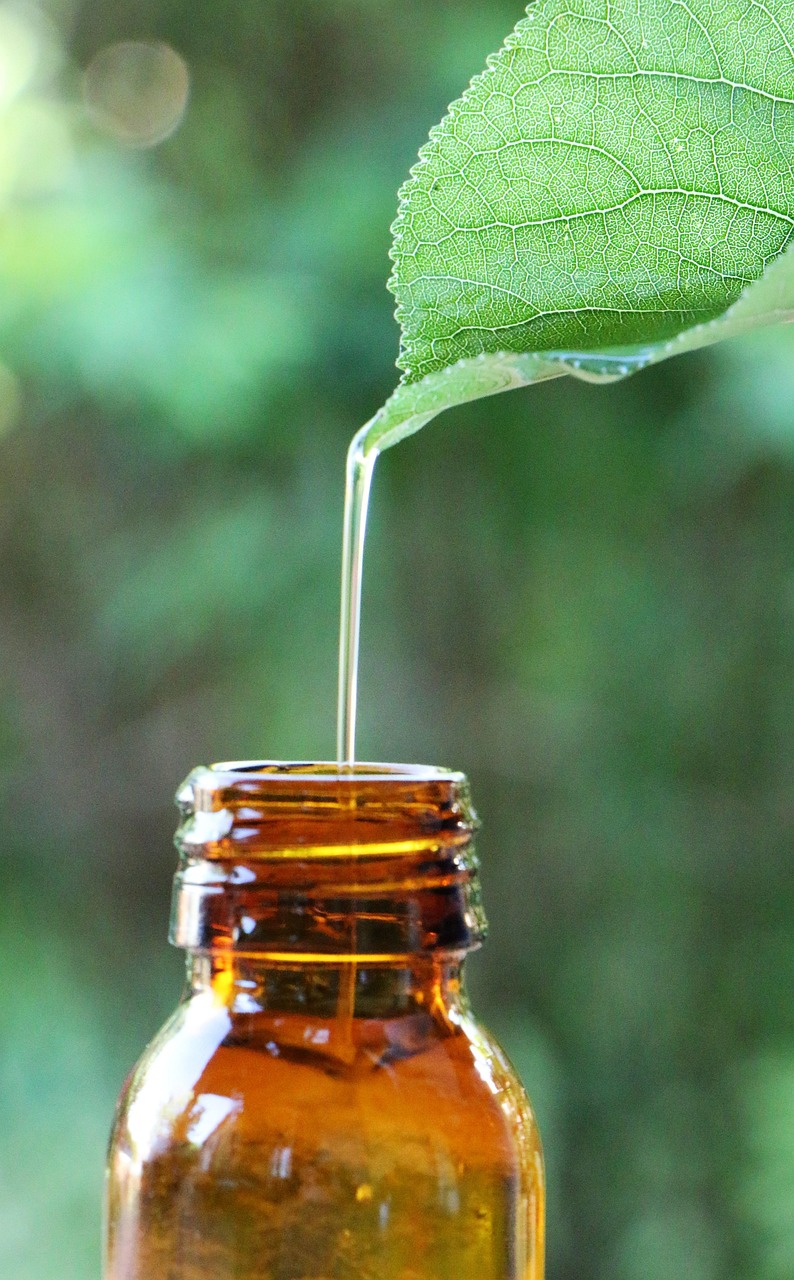
Amber or cobalt blue glass is standard for quality essential oils. Both colors block UV light, which degrades volatile compounds over time. A well-designed bottle will also include an orifice reducer or dropper insert so you can dispense the oil without overpouring. Clear glass bottles and plastic containers both suggest corners were cut somewhere in the production or storage chain.
Key Features to Compare When You Order Clary Sage Essential Oil
Once you have identified sellers who meet the baseline quality criteria above, the comparison becomes more nuanced. Here is a quick-reference table of the factors worth weighing side by side.
| Feature | What to Look For | Why It Matters |
|---|---|---|
| Botanical name | Salvia sclarea printed on label | Confirms you are getting the right species |
| GC/MS report | Publicly available, batch-specific | Verifies purity and chemical profile |
| Country of origin | France, Bulgaria, Russia, or Morocco | Indicates established growing and distillation infrastructure |
| Extraction method | Steam distillation | The only appropriate method for this oil |
| Bottle material | Amber or cobalt glass | Protects against UV degradation |
| Bottle size options | Multiple sizes (5 ml, 10 ml, 30 ml, larger) | Flexibility for casual use vs. bulk formulation |
| Return policy | Satisfaction guarantee or clear return window | Protects you if the scent or quality disappoints |
| Organic certification | USDA Organic or equivalent if claimed | Certifying body should be named, not just the word "organic" |
Price Tiers: What You Can Realistically Expect
Clary sage is not the most expensive essential oil on the market, but it is not a bargain-bin commodity either. The plant requires a full two-year growth cycle before the flowering tops are ready for harvest, and yield per acre is relatively low compared to something like lavender. That is reflected in fair pricing at the quality end of the market.
Budget Range (Under $12 for 10 ml)
Oils in this range warrant extra scrutiny. Some deliver genuine value, particularly from sellers who source efficiently and keep overhead low. Others are diluted with a carrier oil without disclosure, or they are blended with synthetic linalyl acetate to pad the chemical profile. Before purchasing in this tier, download the GC/MS report and check whether the seller discloses the specific growing region. Vague claims like "sourced from nature" are not a substitute for that information.
Mid-Range ($12 to $25 for 10 ml)
This is where most reputable independent suppliers and established natural product brands land. You should expect full batch transparency, labeled botanical names, and a clearly stated country of origin at this price point. Organic certification becomes more common here as well, though it always adds some cost and is not inherently superior to responsibly farmed non-certified oil.
Premium Range (Above $25 for 10 ml)
Premium pricing reflects one of several things: certified biodynamic farming, single-estate sourcing, small-batch artisan distillation, or a vertically integrated supply chain the company owns from field to bottle. All of those are legitimate reasons for higher prices. Prestige branding alone is not. At this tier, the company should be able to tell you exactly which farm or cooperative supplied the plant material for any given batch.
Where to Buy Clary Sage Oil Online

The right channel depends on your priorities around price, convenience, and depth of product information.
Specialist Essential Oil Retailers
Dedicated aromatics suppliers are generally the strongest choice when you are looking to buy clary sage oil online. Companies whose entire business is built around essential oils tend to invest more heavily in sourcing relationships, testing infrastructure, and staff knowledge. Their product pages typically include far more detail than a general marketplace listing. Names that appear frequently in knowledgeable aromatics communities include Plant Therapy, Eden Botanicals, Stillpoint Aromatics, and Rocky Mountain Oils, among others. Each has a distinct sourcing approach and price point, so comparing their GC/MS reports side by side is worthwhile before you choose.
General Marketplaces (Amazon, eBay)
You can find clary sage oil on general marketplaces, and some legitimate brands sell there. The challenge is that marketplace listings are easy to manipulate: photos can show one product while a different one ships, and reviews can be gamed. If you do order through a marketplace, buy only from sellers who are verified brand owners, not third-party resellers, and confirm that GC/MS data is available through the brand's own website rather than the marketplace listing itself.
Brand Direct Websites
Purchasing directly from a brand's own website usually gives you the most complete product information, the clearest return policy, and sometimes a loyalty discount structure for repeat orders. It also removes intermediaries who might substitute or mislabel product. For larger volume purchases, look into whether the brand offers wholesale or bulk pricing directly.
If you prefer to see and smell before you buy, our guide to finding quality bottles locally covers that approach in full.
Red Flags: What to Avoid
These are the warning signs that should give you pause before completing a purchase.
- Identical prices across all oils. If a seller charges the same price for rose absolute, patchouli, lavender, and clary sage, that is a sign the products are not what they claim. Genuine essential oils vary widely in production cost, and that variation shows up in honest pricing.
- No GC/MS data and no way to request it. A seller who cannot provide testing documentation has no way to verify what is in the bottle.
- "Fragrance oil" or "perfume oil" language anywhere in the listing. These are not essential oils. They are synthetic or blended aromatic products and should not be confused with genuine botanical distillates.
- No botanical Latin name. Already mentioned under quality indicators, but worth repeating here because it is the single most common omission on substandard listings.
- Outlandish health claims on the product page. Sellers who make dramatic claims about what their oil will do for your body are either uninformed or indifferent to consumer protection regulations. Either way, it reflects poorly on their sourcing standards.
- Packaging in plastic or clear glass. Both allow light and potentially chemical contamination that degrades the oil.
- Suspiciously low prices on very large bottles. A 4-ounce bottle of clary sage priced at $8 is not a great deal. It is a signal that the contents are not genuine undiluted oil.
Your Pre-Order Checklist
Before you finalize any order for clary sage essential oil, run through these questions:
- Does the label or listing show Salvia sclarea as the botanical name?
- Is the country of origin named specifically?
- Does the seller provide batch-specific GC/MS testing, either on the product page or on request?
- Is steam distillation listed as the extraction method?
- Is the bottle amber or cobalt glass?
- Is the price within a realistic range for the bottle size?
- Does the seller have a clear return or satisfaction policy?
- If organic is claimed, is the certifying body named?
Eight questions. If a product clears all eight, you are in a good position. If it fails two or more, keep looking. There are genuinely excellent clary sage oils available online at fair prices from sellers who take sourcing seriously. Taking a few minutes to verify the basics before you order clary sage essential oil will save you from spending money on something that does not deserve a place in your routine.
Not sure how much oil you actually need? The bottle size guide breaks down usage rates for diffusing, diluted blends, and larger-scale cosmetic formulation so you can order the right quantity the first time.