Clary Sage Oil: The Complete Guide to the Muscatel Herb
Key Takeaways
- Clary sage oil is steam-distilled from the flowering tops and leaves of Salvia sclarea, a biennial herb native to the Mediterranean basin.
- Its scent is famously described as "muscatel", a warm, nutty, faintly floral character that distinguishes it sharply from common sage oil.
- The oil's dominant compound, linalyl acetate, is the same ester that makes lavender oil so prized in perfumery and skin-care formulations.
- Quality varies significantly between suppliers; batch-specific GC/MS reports and honest origin labeling are the benchmarks of a trustworthy product.
- Clary sage essential oil has a well-documented history in European perfumery, flavoring, and cosmetic crafting stretching back several centuries.
- Proper dilution, patch testing, and storage are non-negotiable steps before incorporating any essential oil into a personal routine.
What Is Clary Sage Oil?
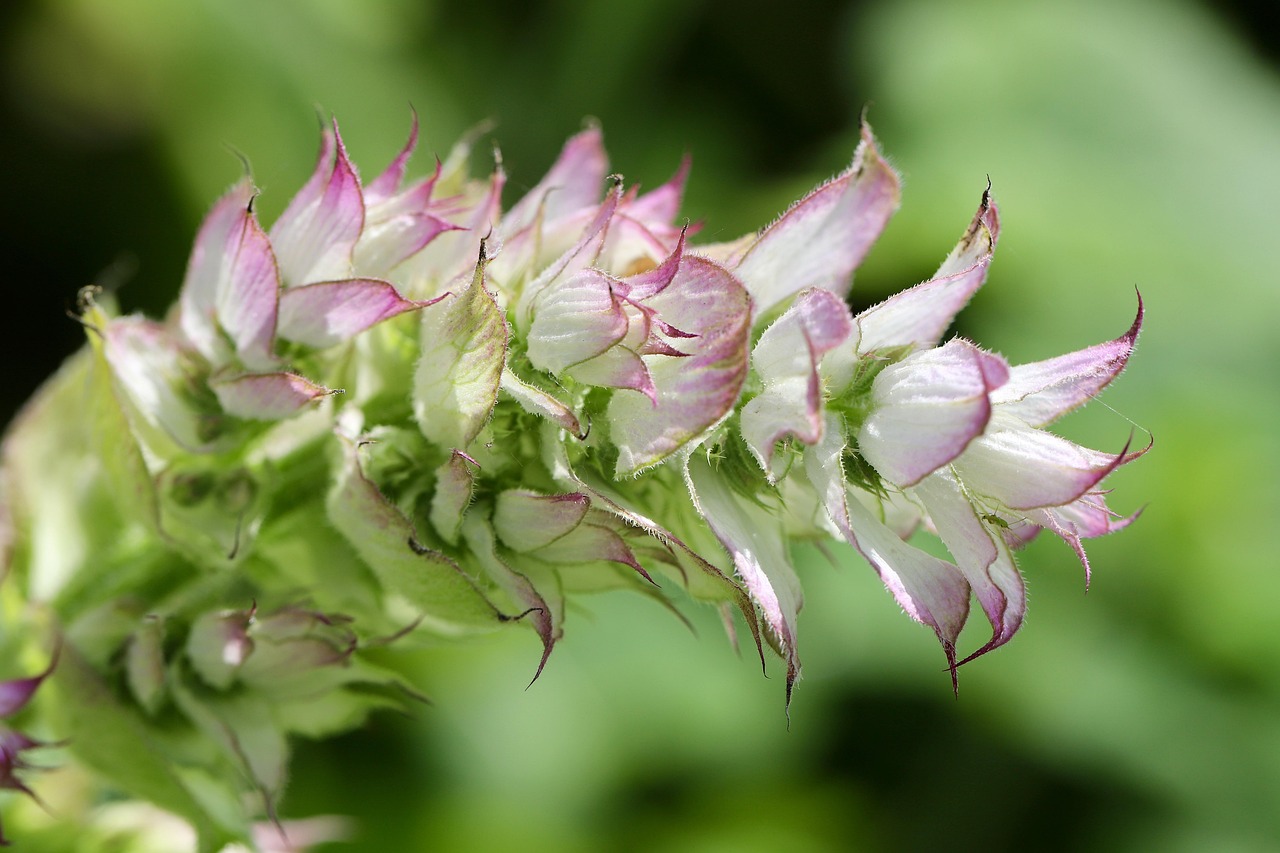
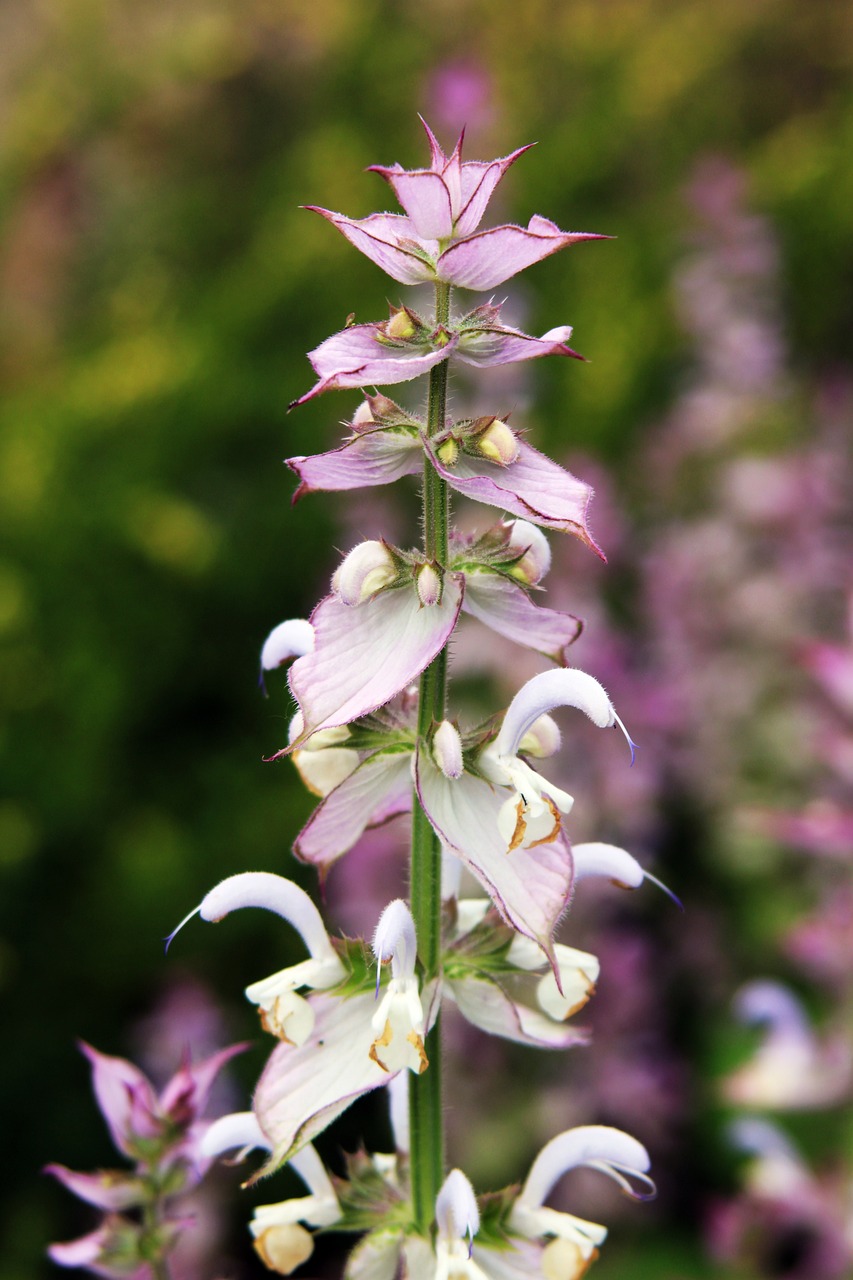
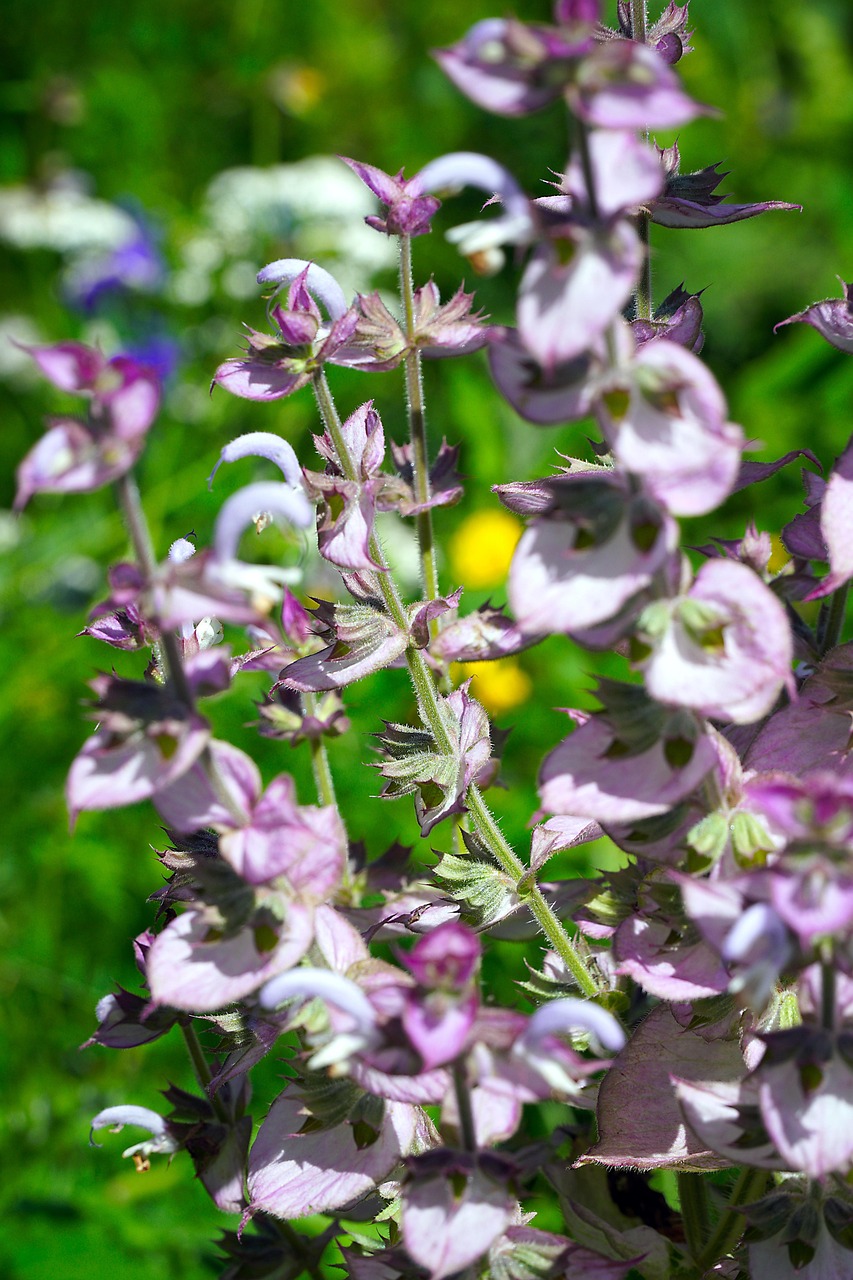
Clary sage oil is an essential oil obtained by steam distillation of Salvia sclarea, a flowering plant in the mint family (Lamiaceae). It is sometimes called salvia sclarea oil in technical or commercial contexts, and the two names refer to the exact same material. The plant itself is a dramatic biennial or short-lived perennial that sends up towering flower spikes in its second year, covered in bracts ranging from pale lilac to dusty pink. Those spikes, along with the broad, textured leaves beneath them, carry the aromatic compounds that make this oil so distinctive.
The word "clary" is itself a corruption of the Latin clarus, meaning clear or bright. Historical herbalists applied that name because the plant's mucilaginous seeds were once used to clear debris from the eye, a practice that has nothing to do with modern cosmetic use but explains why you'll sometimes see older sources refer to it as "clear eye" or "see bright."
Essential oil clary sage is not the same as common sage oil (Salvia officinalis). The two share a genus but have dramatically different chemistry, scent profiles, and safety considerations. If you've ever picked up a bottle assuming one is simply a milder version of the other, the full comparison of clary sage versus sage essential oil is worth reading before you buy.
In global fragrance and flavor markets, clary sage essential oil occupies a respected niche. It is a fixture in fine perfumery, prized for its fixative quality and its ability to round out sharp or synthetic-smelling compositions. In natural skin-care formulation, it appears in products aimed at evening out the look of combination and oily skin types. In home aromatics, diffusers, and bath products, it contributes warmth and depth that lighter florals simply cannot replicate.
Botanical Basics
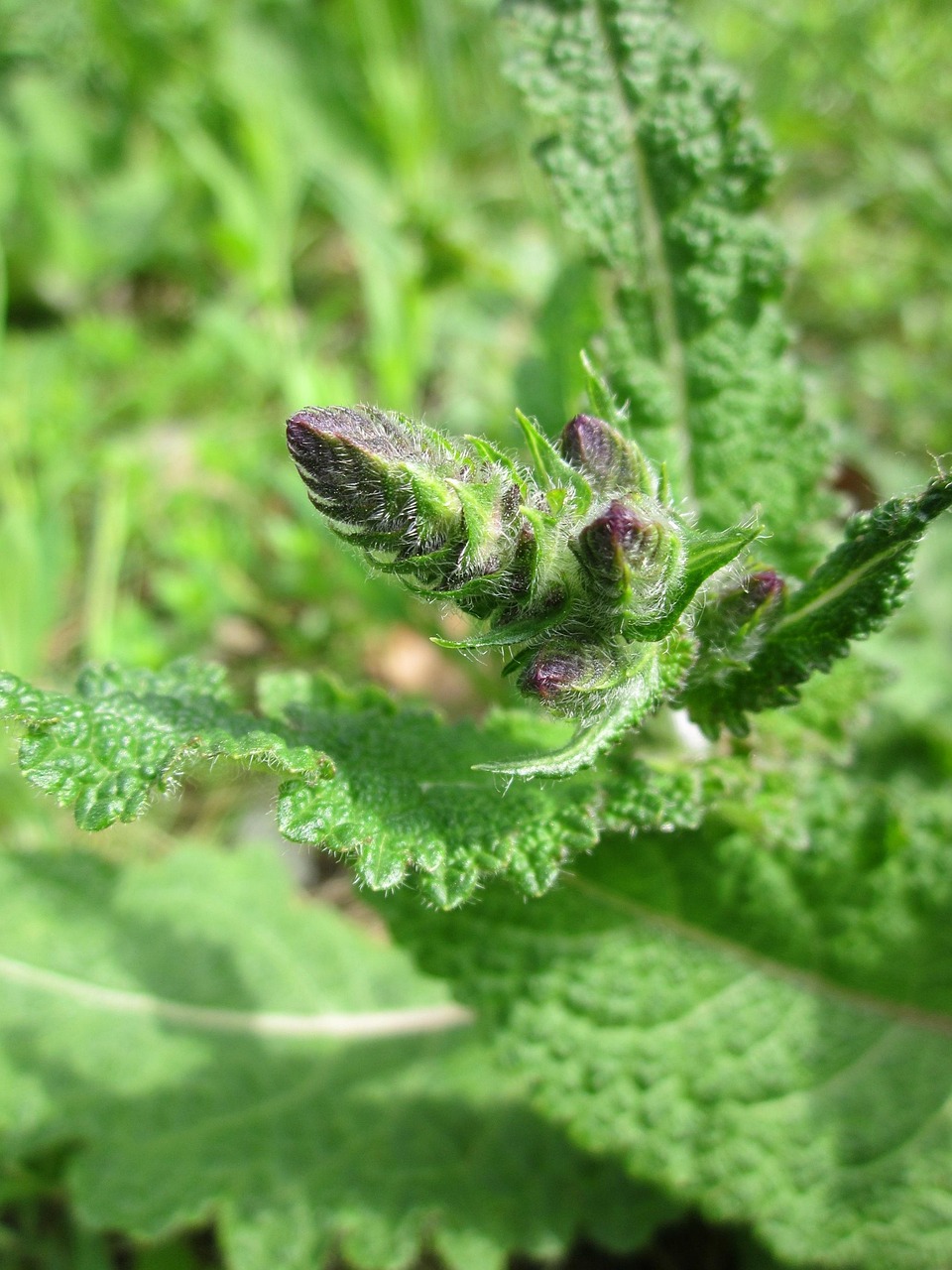
Salvia sclarea grows to about one meter in height during its flowering phase. The leaves are large, heart-shaped, and covered in a fine down that makes them feel almost velvety underhand. The flowers are small but appear in clusters along the spike, each one partially obscured by the showier bracts. The plant prefers dry, well-drained soil and full sun. It thrives in the limestone hillsides of southern France, the plains of Bulgaria and Russia, and parts of North Africa and the Levant.
Commercially, the largest producing countries are Bulgaria, France, Russia, and Morocco. Bulgarian clary sage oil is widely regarded as a benchmark for fragrance-grade material, while French production, though smaller in volume, often commands premium prices for its nuanced character. If you're curious about what it takes to cultivate this plant at home or at garden scale, our guide to growing clary sage from seed to fragrant harvest covers the full cycle.
A History Written in Wine Casks and Apothecary Jars
Clary sage has been cultivated in Europe for at least five hundred years as a documented commercial crop. Its earliest prominent role was not in perfumery but in the brewing and wine trades. German brewers in the Rhine valley used clary sage flowers and leaves to flavor ales, lending a warm, wine-like note to the finished beverage. The practice gave rise to the plant's enduring nickname: the muscatel sage, or simply muscatel herb.
The muscatel connection goes deeper than beer. Adulteration of cheap wines with clary sage extracts was reportedly common in parts of medieval and Renaissance-era Europe, because the plant's sclareol content could mimic the distinctive aroma of muscat grapes convincingly enough to fool a casual drinker. This is worth knowing for anyone interested in the oil's scent: the "winey" quality people describe is not poetic license. It is a real chemical kinship with the compounds that make muscatel wine smell the way it does.
European apothecaries of the sixteenth and seventeenth centuries kept clary sage in stock as a botanical ingredient in various preparations, and the plant appears in herbals by Fuchs, Dodoens, and Culpeper, among others. These historical mentions are interesting as cultural artifacts, but they should not be read as endorsements of any particular use. The understanding of plant compounds in that era was radically different from what botanical chemistry can tell us today, and the uses described in old herbals are largely irrelevant to how we approach essential oils now.
The distillation of clary sage into a true essential oil became economically significant sometime in the eighteenth century, as the French perfume industry began formalizing its supply chains through Grasse and the surrounding region. By the nineteenth century, clary sage absolute and concrete were being produced alongside the steam-distilled oil, serving as raw materials for fine fragrance houses in Paris and, later, across Europe. That tradition continues: some of the world's most recognized perfumes contain salvia sclarea oil or its derivatives as foundational accords.
The Name "Muscatel Herb"
Understanding the muscatel nickname matters when you start shopping for clary sage essential oil, because marketing copy sometimes leans on it in ways that can be confusing. The label "muscatel herb" describes the plant's traditional use and scent association with muscat wine, not any current regulatory or botanical classification. It's a useful shorthand for the oil's aromatic character, but it tells you nothing about quality, origin, or purity. Keep that distinction in mind as you read product listings.
The Scent Profile: Understanding the Muscatel Character
Describing the scent of clary sage oil tends to require more words than most essential oils. It does not reduce easily to a single note. Perfumers typically place it in the herbal-floral-amber zone, but that classification is a starting point, not a full picture.
The opening impression is herbal and slightly green, with a faint earthiness that grounds it. Within a few minutes on the skin or diffuser, a rounder, almost nutty warmth emerges. This is the linalyl acetate and sclareol expressing themselves together, and it's where the muscatel comparison becomes most obvious. There is a grape-like, faintly resinous sweetness that does not read as fruity in the conventional sense, but rather as sophisticated and dry. Some people detect a light floral aspect, occasionally compared to ambergris or hay. The dry-down is long, smooth, and slightly powdery.
It is worth noting that clary sage oil smells nothing like common sage. Common sage (Salvia officinalis) is sharp, camphorous, and medicinal in character. Clary sage is warmer, rounder, and far more wearable in cosmetic and aromatic contexts. The two oils belong to the same genus but inhabit entirely different aromatic territories. This difference surprises many first-time buyers, and it is one of the most important things to know before you purchase.
For a full sensory breakdown, including how clary sage compares to related oils in perfumery blends, see our dedicated piece on what clary sage essential oil smells like.
How Clary Sage Behaves in Blends
In blending, clary sage essential oil functions as a middle note with fixative tendencies. Its longevity on skin and fabric is notable. It anchors lighter top notes that would otherwise evaporate quickly, and it adds body to compositions that feel too sharp or linear without it.
Classic pairings include lavender (the linalyl acetate connection makes them natural companions), bergamot, cedarwood, sandalwood, frankincense, geranium, and ylang ylang. It tends to soften citrus blends that might otherwise feel bracing, and it lends a grounded warmth to lighter wood accords. In heavier oriental-style blends, it can sometimes disappear if used in small proportions, so experienced formulators often push the percentage slightly higher than they might with other middle notes.
The oil also interacts interestingly with rose absolute and neroli, contributing a slightly masculine or unisex edge that prevents those florals from reading as one-dimensional.
Clary Sage in the Diffuser
Diffused, clary sage essential oil creates a warm, enveloping atmosphere that works particularly well in evening or wind-down routines. Many people find that combining it with lavender and a small amount of vetiver in a diffuser creates a slow, grounding ambiance well-suited to quiet evenings at home. The scent is substantial enough to fill a room without feeling overpowering when used at moderate output settings.
Inside the Bottle: Chemistry and Key Constituents
Essential oil clary sage has a chemical profile that sets it apart from virtually every other common essential oil. Understanding its main constituents helps explain both its aromatic character and its behavior in cosmetic formulations.
Linalyl Acetate
Linalyl acetate is typically the dominant compound in clary sage oil, often comprising 60 to 75 percent of the total composition in high-quality distillates. It is an ester with a light, floral-herbaceous scent, and it is the same primary compound responsible for lavender oil's smooth, soft character. In clary sage, linalyl acetate contributes the round, slightly sweet quality in the mid-range of the scent.
This ester is also relevant in cosmetic formulation because of how it interacts with the skin's surface. Some research suggests it may contribute to a soothing sensory experience in topical products, though the specifics of how it behaves in finished formulations depend heavily on the overall product matrix, concentration, and carrier ingredients used alongside it.
Linalool
Linalool is the second major constituent, generally present at 10 to 25 percent. It is a monoterpenol with a fresh, slightly woody-floral character. Like linalyl acetate, linalool appears across a wide range of botanical essential oils, including coriander, bergamot, and ho wood. In clary sage, it contributes to the oil's softness and helps smooth the transition between the herbal opening and the warmer dry-down.
Sclareol
Sclareol is the compound most uniquely associated with Salvia sclarea. It is a diterpene alcohol present at lower levels in the steam-distilled oil (typically one to three percent) but in much higher concentrations in the concrete and absolute forms. Sclareol is responsible for the ambergris-like, slightly resinous, wine-adjacent quality that makes clary sage smell like nothing else. It is also commercially significant as a precursor in the synthesis of ambroxide, a widely used fragrance ingredient in fine perfumery.
The sclareol content of a given batch of oil is one indicator of quality and authenticity. Very low sclareol may suggest the oil has been adulterated with cheaper linalyl acetate-rich oils such as synthetic linalyl acetate or lavandin. Very high sclareol in a steam-distilled product may indicate low distillation temperature and efficiency variations. GC/MS testing catches these anomalies reliably.
Other Notable Compounds
Beyond the three primary constituents, clary sage oil typically contains germacrene D (a sesquiterpene contributing earthy depth), alpha-terpineol, geraniol in small amounts, and various other esters and terpenes that together create the oil's layered complexity. The relative proportions of these compounds shift depending on the plant's origin, the harvest timing, and the distillation parameters. Oils distilled from material harvested just before peak bloom tend to be highest in linalyl acetate and have a lighter, more floral character. Later-harvest material often yields heavier, earthier oil with higher sesquiterpene content.
| Compound | Type | Typical Range (%) | Aromatic Character |
|---|---|---|---|
| Linalyl acetate | Ester | 60 to 75 | Floral, sweet, light herbal |
| Linalool | Monoterpenol | 10 to 25 | Fresh, woody-floral |
| Germacrene D | Sesquiterpene | 2 to 8 | Earthy, woody depth |
| Sclareol | Diterpene alcohol | 1 to 3 | Ambergris-like, resinous, winey |
| Alpha-terpineol | Monoterpenol | 1 to 3 | Lilac-like, fresh |
| Geraniol | Monoterpenol | 0.5 to 2 | Rose-like, soft |
These ranges are drawn from published chromatographic literature on Salvia sclarea oil. Actual composition will vary by batch. This is one reason why requesting a certificate of analysis with GC/MS data from your supplier is so important.
From Field to Flask: How Clary Sage Oil Is Produced
The journey from a standing field of blooming Salvia sclarea to a bottle of essential oil is more nuanced than it might appear. The decisions made at each stage, from planting to distillation, shape the character of the finished product in ways that no amount of post-processing can reverse.
The Harvest Window
Timing the harvest is the first critical variable. Clary sage is typically harvested at the point when roughly 50 to 70 percent of the flower spikes are in full bloom. Harvesting too early yields oil with lower linalyl acetate content and a grassy, under-developed scent. Harvesting too late, after the flowers have begun to set seed, produces heavier oil with a sharper, sometimes disagreeable herbaceous edge. The ideal window can be as narrow as a week or two, which is why experienced growers monitor their fields closely in the weeks leading up to harvest.
In Bulgaria, harvest typically falls in June and July. In France, it can run from late June into August depending on elevation and the specific season. Both regions have cultivated institutional knowledge about timing that feeds directly into the quality of their oils.
Steam Distillation
The dominant production method for clary sage essential oil is steam distillation. Cut plant material, including the flowering tops, bracts, and upper leaves, is loaded into a still. Steam is passed through the biomass, volatilizing the aromatic compounds. The steam and vapor mixture travels through a condenser, where it returns to liquid form. The resulting liquid separates into two phases: the essential oil floating above, and the floral water (hydrosol) below.
Distillation pressure and temperature significantly influence the composition of the final oil. Lower-pressure distillation at longer duration extracts more of the heavier sesquiterpene and diterpene fractions, including sclareol. Faster, higher-pressure runs produce lighter, more ester-dominant oil. Neither approach is inherently superior; they target different aromatic outcomes. Premium perfume-grade oils are often distilled slowly with attention to the tail fractions where sclareol concentrates.
For a detailed look at the still configurations and practical distillation parameters used in clary sage production, our full piece on how clary sage oil is made from flowering tops to the still walks through the process step by step.
Concrete and Absolute Production
A portion of clary sage crops, particularly in France, is processed into concrete and absolute rather than steam-distilled oil. Solvent extraction with hexane produces a concrete: a waxy solid containing both volatile and non-volatile compounds including waxes, pigments, and the full sclareol fraction. The concrete is then washed with alcohol to produce the absolute, which is a rich, dark, viscous material with an intense, fully rounded scent.
Clary sage absolute is used primarily by fine fragrance houses and is rarely seen in the retail essential oil market. When you see "clary sage oil" on a retail shelf, you can safely assume it is the steam-distilled essential oil unless the label explicitly states otherwise. The two are not interchangeable in formulation.
Yield and Pricing
Clary sage has a relatively modest essential oil yield: typically around 0.1 to 0.2 percent by weight of fresh plant material, though this varies by cultivar and distillation method. That means it takes roughly 500 to 1,000 kilograms of fresh herb to produce one kilogram of oil. This yield figure, combined with the labor-intensive harvest, is what places clary sage essential oil in the mid-to-premium pricing tier. If you encounter a clary sage oil priced at the same level as a common eucalyptus or peppermint oil, that should prompt scrutiny about its purity.
How to Use Clary Sage Essential Oil
Clary sage essential oil is genuinely versatile within its cosmetic and aromatic domain. The applications below cover the most established and practical uses, along with the formulation context that makes each one work well.
Aromatics and Diffusion
Diffusion is probably the easiest entry point for clary sage oil. A standard ultrasonic diffuser in a medium-sized room works well with 3 to 5 drops of clary sage alone, or with a simple blend. Some popular diffuser combinations:
- Clary sage (3 drops) with lavender (3 drops) and cedarwood (2 drops) for a warm, grounded evening atmosphere.
- Clary sage (2 drops) with bergamot (4 drops) and geranium (2 drops) for a brighter, more uplifting daytime blend.
- Clary sage (3 drops) with frankincense (3 drops) and sandalwood (2 drops) for a meditative, resinous ambiance.
Keep diffusion sessions to 30 to 60 minutes at a time, particularly in smaller rooms or if children or pets are present. Adequate ventilation matters.
Skin-Care Formulations
Clary sage essential oil appears in formulations aimed at combination and oily skin types, as well as in products intended to give the skin a smoother, more balanced appearance. It is typically used in finished products at concentrations between 0.5 and 1.5 percent. At these levels, it contributes both scent and its constituent properties without posing undue irritation risk for most skin types.
Common product types that incorporate clary sage essential oil include facial serums, toners, moisturizers with a light feel, clay masks, and facial steam blends. In hair-care products, it appears in scalp-focused formulations where its aromatic character complements woodsy or herbal fragrance profiles.
DIY Safety Note: Before using any essential oil in a homemade preparation applied to skin, always dilute properly in a suitable carrier oil, lotion base, or other appropriate vehicle. For facial applications, a maximum of 1 percent essential oil in carrier is a widely cited guideline for sensitive areas. Conduct a patch test on inner arm skin 24 hours before full application. If redness, itching, or discomfort occurs, discontinue use. Consult a qualified healthcare provider before using essential oils if you are pregnant, nursing, or managing any health condition.
A Simple Clary Sage Face Oil Recipe
This basic recipe is suitable for most adult skin types as a nighttime facial oil. Adjust or omit if you have specific sensitivities.
- 30 ml (1 fluid ounce) jojoba oil as the base carrier
- 4 drops clary sage essential oil
- 4 drops lavender essential oil
- 2 drops geranium essential oil
This yields a blend at approximately 1 percent total essential oil concentration. Combine in a dark glass dropper bottle. Apply 3 to 5 drops to clean, slightly damp skin and press gently. Store away from heat and light. Patch test before first use.
Bath and Body Uses
Adding clary sage oil directly to bath water without a dispersant is not recommended, as undiluted essential oil floating on water will contact skin at full concentration. Instead, blend 5 to 8 drops of clary sage into a tablespoon of full-fat milk, liquid castile soap, or a dedicated bath dispersant before adding to a full tub. Alternatively, blend into a salt or sugar scrub at a one percent dilution for use in the shower.
In body lotion or body oil applications, a 1 to 2 percent dilution (9 to 18 drops per 30 ml) is appropriate for most adults for non-facial body use.
Perfumery and Natural Fragrance
Clary sage is a well-regarded middle-note ingredient in natural perfumery. It blends smoothly into oil-based and alcohol-based perfume formulations, typically at 5 to 15 percent of the aromatic portion of a blend, depending on how prominently the blender wants it to feature. Its fixative qualities help retain lighter top notes and extend the overall wear of the composition.
Solid perfume balms, roll-on perfume oils, and room spray blends are all natural homes for clary sage essential oil. Its scent shows particularly well in unisex and masculine-leaning fragrance profiles, where its dry, slightly resinous warmth reads as sophisticated rather than overtly floral.
Candle and Home Fragrance Blending
Clary sage oil performs reasonably well in soy and coconut wax candle formulations, though its moderate flash point (typically around 72 to 75 degrees Celsius for most batches) means it is suited to cool-pour or low-pour-temperature wax systems. It is commonly blended with woodsy oils like cedarwood or vetiver and citrus notes like bergamot or grapefruit for candle fragrance use. Follow your wax manufacturer's recommended fragrance load guidelines.
Sourcing and Quality: What Separates Good Oil from Great Oil
The essential oil market has a quality problem that is worth naming plainly. Because essential oils are not regulated as pharmaceuticals, and because most buyers lack the equipment to test what is actually in the bottle, adulteration and mislabeling are real concerns. Clary sage essential oil is not immune to this. Its relatively high linalyl acetate content makes it relatively straightforward to adulterate with cheaper synthetic linalyl acetate, lavandin oil, or other botanicals without detection by nose alone.
The Case for GC/MS Testing
Gas chromatography combined with mass spectrometry (GC/MS) is the industry standard for verifying essential oil composition. A complete GC/MS report for a batch of clary sage essential oil will show the percentage of each compound present, flagging both adulterants and naturally occurring variations. Reputable suppliers make batch-specific GC/MS reports available, either on their website or on request. This is not an optional nicety for serious buyers. It is a basic expectation.
When reviewing a GC/MS report for clary sage oil, look for:
- Linalyl acetate in the expected 60 to 75 percent range (significantly higher may indicate synthetic addition)
- Sclareol present, even at low levels (its complete absence is a red flag)
- A natural profile of minor compounds rather than an unusually simplified list
- The batch number and distillation date matched to the specific product you are purchasing
Origin Matters
Bulgaria and France are the two origins that consistently produce reference-quality clary sage essential oil for fragrance and cosmetic use. Russian-origin oil is also commercially significant and can be excellent. Moroccan-origin clary sage oil is produced in smaller volumes and tends toward earthier, heavier profiles.
A supplier who clearly states the country of origin, and ideally the specific growing region or distillery, is demonstrating transparency that vague "wildcrafted" or origin-unspecified labeling does not. Organic certification is a positive indicator but not a guarantee of quality in itself; it speaks to growing practices, not distillation quality or chemical composition.
Price as a Signal
Clary sage essential oil is not an expensive oil in absolute terms, but it is not as cheap to produce as commodity oils like eucalyptus or rosemary. Current market pricing for genuine clary sage essential oil from reputable suppliers typically runs in the range of $15 to $40 for a 10 ml retail bottle, depending on origin, grade, and supplier. Prices well below this floor warrant skepticism. Prices well above it should correspond to demonstrably premium sourcing or grade.
For practical guidance on what to look for when shopping, including questions to ask suppliers and label red flags to avoid, see our detailed resource on how to buy pure clary sage oil.
Certifications and Standards
Several third-party standards and certifications are relevant to the essential oil market. ISO 9842 is the international standard specifically for clary sage oil, specifying acceptable ranges for key physical properties and chemical composition. ECOCERT and USDA Organic certifications speak to agricultural practices. The IFRA (International Fragrance Association) guidelines provide usage rate recommendations for fragrance applications. None of these alone is a complete quality guarantee, but their presence suggests a supplier operating within a professional framework.
Safety, Storage, and Shelf Life
Every responsible guide to essential oil clary sage has to address safety seriously. The fact that clary sage essential oil is a natural plant-derived product does not make it automatically mild or universally appropriate. Essential oils are highly concentrated botanical extracts that require thoughtful handling.
General Safety Guidelines
- Always dilute before applying to skin. Undiluted (neat) application of clary sage oil to skin is not recommended. Use a suitable carrier oil, lotion, or other appropriate base at a concentration appropriate to the application site (lower for sensitive or facial skin, no more than 2 percent for general body use).
- Patch test before first use. Apply a small amount of the diluted product to inner arm skin and wait 24 hours to check for any adverse reaction.
- Keep away from eyes and mucous membranes. If contact occurs, flush thoroughly with a carrier oil (not water) and seek guidance as needed.
- Keep out of reach of children and pets. Essential oils should always be stored securely out of reach of children. Certain essential oils are of concern around cats and dogs; consult a veterinarian before using essential oils in spaces shared with pets.
- Pregnancy and nursing: Consult a qualified healthcare provider before using clary sage oil if you are pregnant, planning to become pregnant, or breastfeeding.
- Do not take internally. The information in this guide is strictly cosmetic and aromatic in focus. Internal use of essential oils is a separate domain requiring professional guidance.
Skin Sensitivity and Sensitization
Clary sage essential oil is considered relatively low-risk for skin sensitization among commonly used essential oils, but individual responses vary. Linalool, one of its major constituents, can oxidize over time and form compounds that are more sensitizing. This is one practical reason why fresh oil stored correctly is preferable to old oil that has been improperly stored or repeatedly exposed to air.
People with known sensitivities to other linalool-rich oils such as lavender or coriander should approach clary sage with appropriate caution and perform a thorough patch test.
Alcohol Interactions
Some aromatherapy sources mention that clary sage oil may intensify the effects of alcohol. While the mechanism behind this claim is not well characterized in peer-reviewed literature, the practical advice is reasonable: use clary sage oil in personal care or aromatic routines separately from alcohol consumption, as a matter of simple caution.
Storing Clary Sage Oil Correctly
Salvia sclarea oil has a shelf life of approximately two to four years from the distillation date when stored properly. Proper storage means:
- A dark glass bottle (amber or violet glass), never clear glass or plastic for long-term storage
- A cool, stable temperature away from heat sources and direct sunlight
- A tightly closed cap to minimize oxidation from air exposure
- Away from humidity (not in a bathroom cabinet if it is frequently steamy)
Oil that has significantly darkened, developed a sharp or rancid smell, or noticeably changed in viscosity has likely oxidized past its useful life. Using oxidized essential oils on skin increases the risk of sensitization.
For a thorough walkthrough of essential oil storage best practices as they apply specifically to clary sage, see our guide to how to store clary sage oil for maximum freshness and shelf life.
What This Guide Does Not Cover
This guide focuses entirely on cosmetic and aromatic applications for clary sage essential oil. It does not constitute medical advice, and nothing here should be taken as a suggestion to use clary sage oil in place of guidance from a qualified healthcare provider. Always consult a healthcare professional about any health concern.
Frequently Asked Questions About Clary Sage Oil
Is clary sage oil the same as sage oil?
No. Clary sage oil comes from Salvia sclarea, while common sage oil comes from Salvia officinalis. They are related but chemically and aromatically very different. Common sage oil contains thujone, a compound associated with significant safety concerns at higher concentrations, which is largely absent in clary sage oil. They are not interchangeable. See our full clary sage versus sage oil comparison for the complete breakdown.
What does clary sage oil smell like?
Warm, herbaceous, slightly nutty, and faintly winey with a smooth, powdery dry-down. It is often compared to muscat wine or hay, and perfumers place it in the herbal-floral-amber family. Read our dedicated scent profile guide for a more detailed sensory breakdown and blending context.
Can I apply clary sage oil directly to my skin?
Undiluted application is not recommended. Always blend into a carrier oil, lotion, or other appropriate base at a suitable dilution (generally no more than 1 percent for facial use, up to 2 percent for body use in adults). Patch test before first use.
How do I know if a clary sage oil is pure?
Request or download the batch-specific GC/MS report from the supplier. Look for consistent composition within expected ranges, the presence of sclareol, and a clear statement of botanical name, country of origin, and plant part distilled. Our guide on buying pure clary sage oil covers the full checklist.
What is the shelf life of clary sage essential oil?
Approximately two to four years from the distillation date, under proper storage conditions (dark glass, cool temperature, tightly sealed, away from humidity). Oils stored poorly or repeatedly exposed to air will oxidize faster. See our storage and shelf life guide for practical tips.
What is sclareol, and why does it matter?
Sclareol is a diterpene alcohol found almost exclusively in Salvia sclarea. It is responsible for the oil's distinctive ambergris-like, winey character, and it is used commercially as a starting material in fine fragrance synthesis. Its presence in a GC/MS report is one marker of genuine clary sage oil rather than an adulterated product.