Organic Clary Sage Essential Oil: Is It Worth the Upgrade?
You've found a bottle of clary sage oil you like, and then you notice a certified organic version sitting right next to it for a few dollars more. Maybe quite a few dollars more. Is the certification doing real work, or is it just a marketing label printed on fancier packaging?
This guide gives you a straight answer. We'll walk through what organic certification actually means for essential oils, the quality indicators that separate a well-sourced bottle from a mediocre one, and how to spend your money wisely across different budget levels. There are also some genuine red flags to watch for, because the essential oil market has its share of misleading products.

What Does "Organic" Actually Mean on an Essential Oil Label?
Organic certification for essential oils follows the same agricultural standards applied to food crops. In the United States, the USDA National Organic Program (NOP) requires that plants are grown without synthetic pesticides, synthetic fertilizers, or genetically modified organisms. Third-party certifying agencies inspect farms and processing facilities before granting certification.
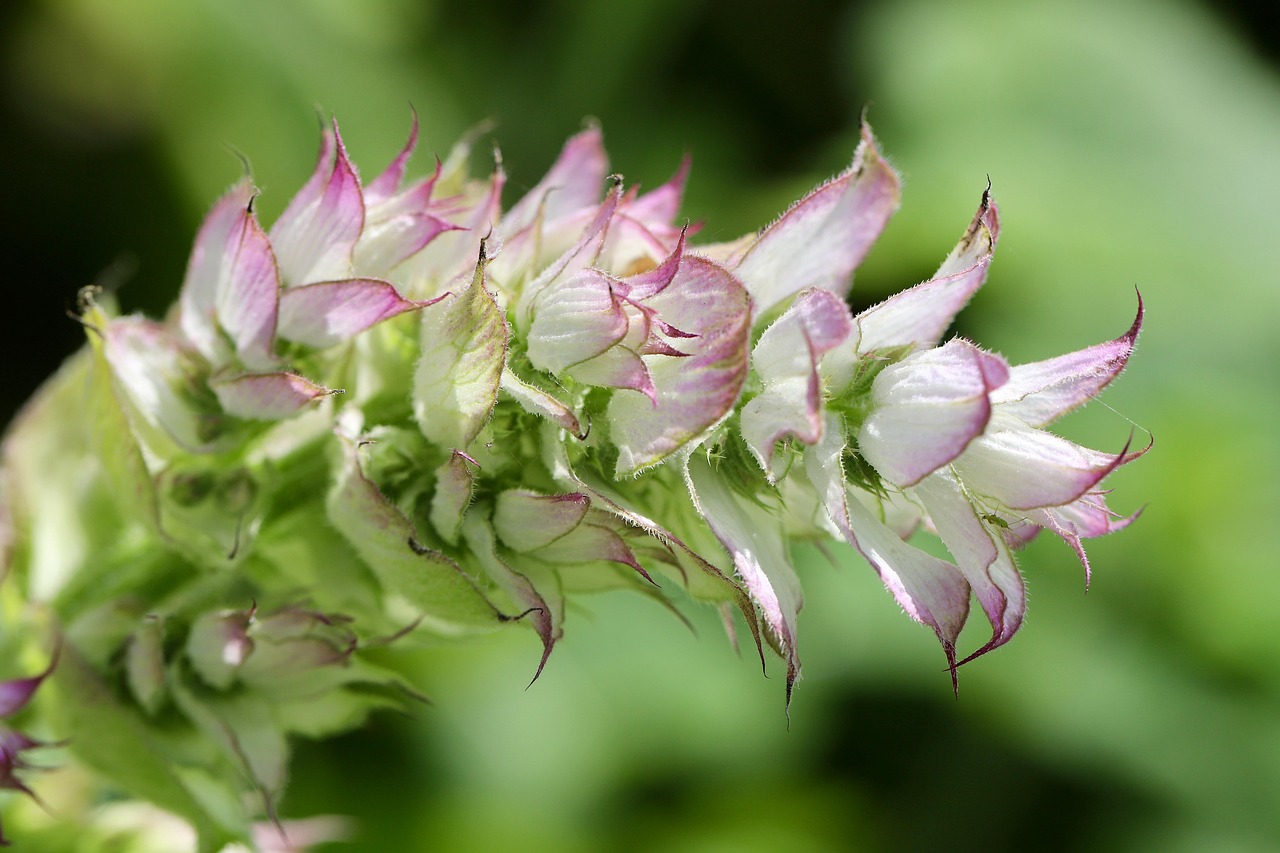
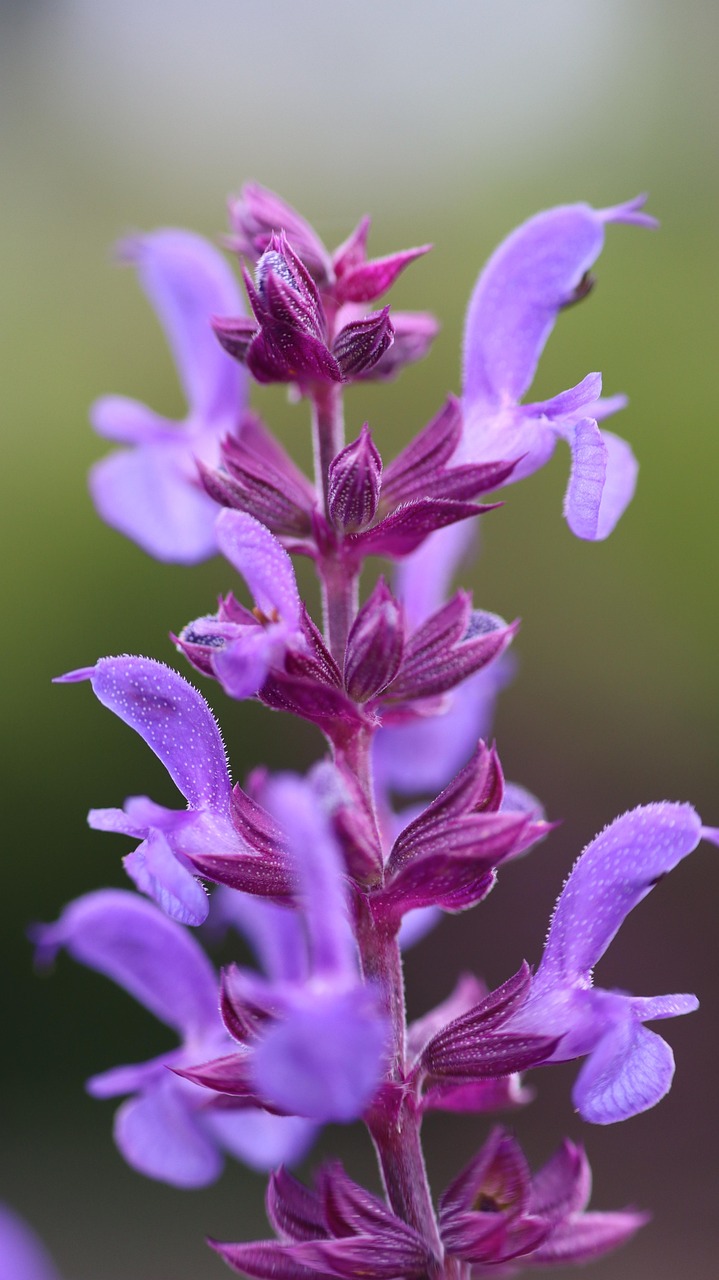
For clary sage (Salvia sclarea), this matters more than it might for some other botanicals. The plant is commonly grown across southern France, Bulgaria, Russia, and parts of Eastern Europe, where agricultural practices vary widely between farms. Certified organic essential oils sourced from these regions have been verified against a defined standard, not simply marketed with nature-forward language.
The key word is certified. Any brand can print "natural" or "pure" on a label without accountability. Certification requires paperwork, inspections, and ongoing compliance. Look for USDA Organic, ECOCERT, or Soil Association logos depending on where the product originates.
Certified Organic vs. Wildcrafted vs. Conventional: A Quick Comparison
| Type | What It Means | Verified By | Typical Price |
|---|---|---|---|
| Certified Organic | Grown without synthetic inputs, inspected farm-to-bottle | Third-party certifying body | Higher |
| Wildcrafted | Harvested from plants growing in their natural habitat | Brand's own sourcing claims | Varies |
| Conventional | Standard agricultural production | None specific to organic | Lower |
Wildcrafted clary sage can be a legitimate high-quality option, but it relies on the brand's transparency rather than independent verification. If you prefer third-party accountability, certified organic is the more reliable path.
What to Look for: Quality Indicators That Actually Matter
Organic certification is a strong starting point, but it doesn't guarantee the best possible oil. Here are the additional quality markers worth examining before you buy.
GC/MS Testing and Batch-Specific Reports
Gas chromatography/mass spectrometry (GC/MS) analysis breaks down the chemical composition of an oil and confirms it hasn't been adulterated with synthetic compounds or cheaper carrier substances. A reputable seller provides batch-specific reports, not a single generic test that applies to all inventory. Look for brands that publish these reports on their website or email them on request.
For clary sage oil specifically, the primary constituent to look for is linalyl acetate, which typically makes up 60 to 75 percent of a quality oil. Linalool is the second major component. If those figures are absent or the report looks vague, that's worth noting.
Latin Name on the Label
The label should state Salvia sclarea, not just "clary sage." This matters because several sage species exist, and they have different compositions. Seeing the Latin binomial is a basic transparency signal that the brand knows what it's selling.
Country of Origin and Extraction Method
Steam distillation is the standard extraction method for clary sage essential oil. CO2 extraction is sometimes used and produces a slightly different aromatic profile. Solvent extraction is generally not appropriate for an oil marketed as pure. The country of origin helps you understand the growing environment. French and Bulgarian clary sage are widely regarded for their aromatic quality.
Packaging
Amber or cobalt glass bottles protect the oil from UV degradation. Dark glass is standard practice among quality brands. Clear glass is a warning sign. Plastic bottles are a hard pass for any essential oil, as aromatic compounds can degrade plastic and contaminate the oil over time.
For a deeper look at quality checks you can do before purchasing, visit our guide on how to buy pure clary sage oil: quality checks before you pay.
Key Features to Compare When Shopping
Once you have two or three bottles in contention, here's how to think through the comparison.
Certification Body
Not all certifying agencies carry the same weight. USDA Organic is the most recognized in the U.S. market. ECOCERT is widely respected in European markets. Soil Association certification is the leading UK standard. If a brand claims organic status through an organization you've never heard of, take a few minutes to verify that the certifier is legitimate.
Bottle Size and Price Per Milliliter
The sticker price on a 5 ml bottle can look approachable until you calculate what you're paying per milliliter compared to a 15 ml or 30 ml option. Organic clary sage essential oil is rarely cheap, and that's appropriate given the crop's cultivation requirements. But oversized markups can exist even within quality tiers. Our clary sage oil price guide walks through what a fair bottle actually costs at current market rates.
Shelf Life and Harvest Date
Essential oils don't last forever. Clary sage oil has a shelf life of approximately two to three years from distillation. Some brands print a bottling date; others list a best-by date. Either is useful. What you don't want is an undated bottle with no way to know how long it sat in a warehouse before reaching you.
Company Transparency
Can you find the farm or cooperative where the plant was grown? Does the brand publish its GC/MS results openly? Is there a customer service contact that responds to questions about sourcing? These aren't luxury questions. They're reasonable expectations for any certified organic essential oil worth its price.
Top Picks at Different Price Points
Rather than ranking specific products (availability and formulas change), here's a framework for what you should expect at each spending level.
Budget Tier: Under $15 for 10 ml
Genuine certified organic clary sage at this price point is difficult to find from reputable sources. If a bottle claims organic certification and costs less than $12 for 10 ml, spend a few minutes verifying the certifier and looking for GC/MS documentation. Steep discounts occasionally reflect overstock from a quality brand, but more often they reflect a gap between the label claim and the actual product.
In this tier, look for brands that are transparent about their sourcing even if they can't afford glossy packaging. A bare-bones label with verifiable certification is preferable to an attractive bottle with hollow claims.
Mid-Range Tier: $15 to $35 for 10 ml
This is where most reputable certified organic clary sage oil sits. Brands like Plant Therapy, Edens Garden, and Rocky Mountain Oils offer USDA Certified Organic options in this range. Each publishes GC/MS results and sources from known growing regions. Plant Therapy's organic line is particularly well-documented, with batch-specific reports available by lot number on their website.
At this price, you should expect dark glass packaging, a printed lot number or harvest date, and accessible customer support. If those basics are missing, the certification alone doesn't justify the price.
Premium Tier: $35 and Above for 10 ml
Premium pricing often reflects single-origin sourcing, smaller batch production, or CO2 extraction methods that yield a more nuanced aromatic profile. Brands like Floracopeia and some offerings from Tisserand fall here. The difference in scent between a well-sourced premium oil and a good mid-range oil can be meaningful to someone building a refined aromatic practice or formulating cosmetic products where scent complexity matters.
The premium tier is where wildcrafted oils also appear. These can be excellent, but apply the same verification standards: ask for GC/MS reports and look for clear sourcing information.
Red Flags to Avoid
The essential oil market attracts a lot of opportunistic labeling. Here are the specific warning signs to watch for when shopping for organic clary sage oil.
- "Therapeutic grade" language. This phrase has no regulatory definition. No governing body issues a "therapeutic grade" certification. It is a marketing term, nothing more.
- Suspiciously uniform pricing across all oils. Clary sage costs more to produce than lavender or eucalyptus. A company charging the same price for every oil in its catalog is likely not sourcing at a quality level that justifies any premium.
- No GC/MS reports available. A brand that can't or won't share testing data for its certified organic essential oils is asking you to take its claims on faith alone.
- Clear plastic or clear glass bottles. Either signals that quality control in packaging is not a priority.
- Missing Latin name. If the label just says "clary sage oil" without Salvia sclarea, that's a transparency gap.
- Vague certification claims. "Certified natural" and "certified pure" are not the same as certified organic. If the certification body isn't named, the claim means very little.
- No country of origin listed. This information should be on the label or readily available from the brand.
Where to Buy Organic Clary Sage Essential Oil
Your purchasing channel affects both product integrity and accountability.
Brand Websites
Buying directly from a brand's own site gives you the most access to sourcing information, lot-specific GC/MS reports, and responsive customer service. It also reduces the risk of counterfeit products, which is a real concern on large third-party platforms.
Specialty Natural Retailers
Stores like Mountain Rose Herbs have built their reputation on rigorous sourcing standards and transparency. Their organic clary sage is well-documented and consistently rated by buyers who care about purity. Local natural food co-ops sometimes carry quality certified organic essential oils from regional or small-batch producers worth discovering.
Amazon and Large Marketplaces
Reputable brands do sell on Amazon, and buying from the brand's own Amazon storefront (not a third-party reseller of that brand) is generally safe. The problem is that counterfeit or diluted products exist on these platforms, and it can be hard to tell them apart from authentic listings. If you buy on a large marketplace, confirm you're purchasing from the brand directly or from a seller with a clear, verified track record.
Multilevel Marketing Brands
Some well-known essential oil companies operate on a direct sales model. Their products are sometimes high quality, but the pricing structure reflects distributor commissions rather than ingredient cost alone. You may be able to find comparable certified organic clary sage oil for less through direct-to-consumer brands. It's worth comparing GC/MS reports across brands before committing to a higher price point based on brand reputation alone.
Putting It to Use: Cosmetic and Aromatic Applications
Certified organic clary sage essential oil is a popular ingredient in cosmetic formulation and aromatic blending. Its scent profile is herbaceous, slightly sweet, and earthy with a gentle floral note that blends well with citrus, lavender, and cedarwood.
In cosmetic applications, it's commonly added to facial serums, scalp oils, and hair care formulations at appropriate dilution ratios. For skin and hair use, proper dilution in a carrier oil is essential: a standard starting point is 1 to 2 percent for facial applications and up to 3 percent for body and hair products. Always perform a patch test before applying any essential oil blend to a larger area of skin.
For a full overview of how clary sage oil fits into cosmetic routines, our guide on clary sage oil for hair and skin: the complete cosmetic care covers dilution ratios, carrier oil pairings, and formulation ideas in detail.
Pregnant individuals and those with specific health considerations should consult a qualified healthcare provider before using clary sage essential oil.
So, Is the Organic Upgrade Worth It?
For most buyers who use clary sage oil regularly in cosmetic formulations or aromatic practices, yes. The certification provides third-party accountability that "pure" and "natural" labels simply don't. The price difference in the mid-range tier is often modest, and what you gain is verifiability.
The caveat: certification alone doesn't make an oil good. A certified organic bottle without GC/MS documentation, clear sourcing, and proper packaging is only marginally better than a vague conventional option. Use the full checklist in this guide, and you'll have a much clearer picture of what you're actually buying.
Quality sourcing, honest labeling, and independent testing are the real markers of a bottle worth your money. Organic certification, when it's backed by those fundamentals, is a meaningful upgrade.